Have you ever spotted “cold brew” or “water-drip coffee” on a café menu?
In fact, these two are the same thing—just called by different names. Both refer to coffee extracted slowly over time using cold water. Because it’s called “cold brew coffee” in English, the name cold brew also caught on in Japan.
Whereas regular drip coffee is extracted with hot water in a few minutes, cold brew steeps slowly for at least several hours—sometimes a full day. Taking time means the coffee’s harsh and off-flavors dissolve out less readily, giving it its biggest hallmark: a clean, mild taste.
The Crucial Difference from Iced Coffee
You might think, “If it’s cold coffee, isn’t it the same as iced coffee?”
But the extraction method is fundamentally different. Iced coffee is drip coffee brewed with hot water and then rapidly chilled with ice. Cold brew, on the other hand, is extracted with water from the start, applying no heat at all.
This difference greatly affects the flavor. Hot-water extraction draws out the bean’s oils, making the aroma and body stand out—but bitterness and astringency also come through more strongly. Cold brew, extracted with water, releases little oil, so it has a clean taste with fewer harsh notes. It also tends to contain less caffeine than hot-water extraction.
Iced Coffee Is for People Who…
If you want to enjoy coffee’s rich aroma, body, and crisp bitterness in a cold form, regular iced coffee is the better fit. Its appeal is a solid, satisfying drink that tastes like hot coffee simply chilled.
Cold Brew Is for People Who…
If you prefer a clean, gentle taste, or if you often leave iced coffee unfinished, cold brew is perfect for you. It’s clear and soft, yet you still get plenty of coffee flavor. It’s also ideal on hot days when you want something easy to gulp down.
The Origins of Cold Brew and Its Spread Worldwide
Cold brew is said to have originated with “Dutch coffee” in Indonesia.
In Indonesia, relatively bitter Robusta coffee was the norm, so cold brewing is said to have been born as a way to make it easier to drink. This brewing method spread around the world and gained popularity as "cold brew," especially in the US. In Japan too, chances to see it at cafés and convenience stores have increased over the past few years.
Easy to Make at Home! The Basic Method
Cold brew is easy to make at home.
What you’ll need: 30g of ground coffee, 500ml of water, one cold-brew coffee bag (or a food-grade bag such as a dashi bag), and a pitcher (one that holds at least 600ml).
Step-by-Step Instructions
First, put the ground coffee into the food-grade bag. Next, place the bag of grounds into the pitcher, pour in the water, and stir gently to combine. Then chill in the refrigerator for 8 to 12 hours, remove the bag, squeeze it lightly, and it’s done.
You can adjust the chilling time to taste. For a lighter, more water-forward cup, 8 hours; if you want more coffee flavor, around 12 hours is recommended. Using medium-ground beans and extracting for 12 hours is the generally recommended approach.
Tips for Brewing It Well
Official recipes often set the steeping time at 8 hours, but the key is actually to steep for 12 to 16 hours. As a guide, aim for 16 hours with a light roast, 14 hours for a medium-light to medium roast, and 12 hours for a medium-dark roast to enjoy a deeper flavor.
Room-temperature water (around 20°C) works best. Water that is too cold won’t extract enough of the coffee’s components, leaving the flavor too thin. Boiling water that you’ve cooled to room temperature is ideal, since it also drives off any chlorine.
The Flavor and Appeal of Cold Brew
Cold brew’s greatest appeal is its smooth mouthfeel and easy drinkability.
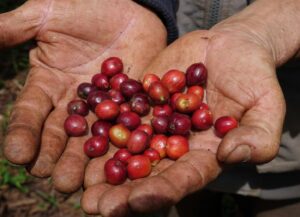
Because it’s extracted slowly at a low temperature, the compounds that cause bitterness and astringency dissolve out less, giving it a clean, mild flavor. Many people, on their first sip, are surprised to taste a “sweetness” you could never get from canned or convenience-store coffee. This isn’t the sweetness of syrup or milk—it’s a natural sweetness that makes you realize coffee is, in fact, a fruit.
And because no heat is applied, it oxidizes less and keeps its aroma and flavor intact in storage. Stored in the refrigerator, it stays delicious for 2 to 3 days, so it’s convenient to make a batch in advance.
Recommended Coffee Beans
For cold brew, we recommend beans that show ripe-fruit notes within a chocolate or caramel character, or beans with a hint of citrus and depth beneath a caramel sweetness. Ethiopian beans, with their smooth mouthfeel that brings out floral notes and sweetness, are well suited to cold brew. They keep their character even with milk added.
Summary: A New Coffee Experience with Cold Brew
Cold brew and water-drip coffee are the same thing—coffee extracted slowly with cold water. The extraction method differs from iced coffee, and its hallmark is a clean taste with few harsh notes.
It’s easy to make at home, so be sure to try it on a hot day or whenever you want to relax. There’s also the fun of finding your own ideal taste by varying the steeping time and the type of bean.
Coffee is a beloved drink worldwide, with more than 2.5 billion cups consumed every day. Among them, cold brew is drawing attention as a new way to enjoy coffee. Through a single cup, why not feel the effort and the landscape of someone, somewhere in the world?