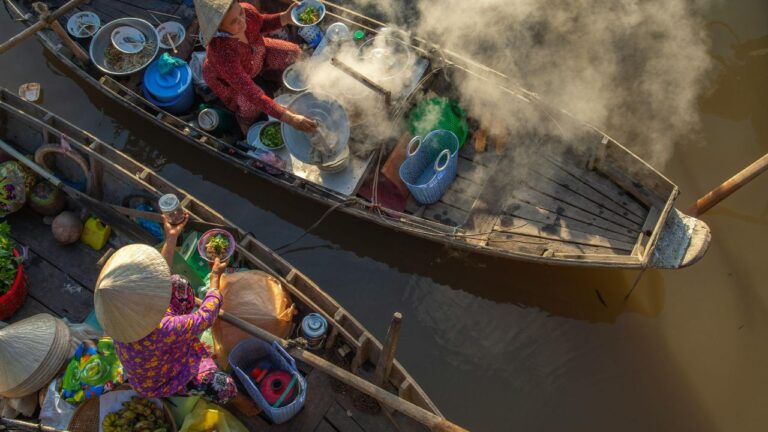
Vietnam's national food, pho (pho), has formally set out toward registration as UNESCO Intangible Cultural Heritage. At the center of the nomination is Van Cu (Van Cu) village in Nam Dinh Province (now incorporated into Ninh Binh Province), said to be the birthplace of pho. Building on the 2024 recognition of Nam Dinh-style pho and Hanoi-style pho as national intangible cultural heritage, it aims to upgrade to World Heritage.
The background of the nomination and the driving body
Nguyen Van Sinh, chairman of the People's Committee of Nam Dong commune, to which Van Cu village belongs, revealed that they are advancing the collection of additional materials and the preparation of scientific documents toward the UNESCO nomination. At the March 2026 Pho Festival, a seminar gathering experts and pho artisans was held, with practical discussions exchanged to raise the precision of the nomination documents.
In cooperation not only with Ninh Binh Province but other provinces and cities, they aim for inscription on UNESCO's "Representative List of the Intangible Cultural Heritage of Humanity." The nomination documents will comprehensively record not only the traditional techniques of Van Cu village but the techniques of multiple pho-artisan villages such as Giao Cu (Giao Cu) village and Tay Lac (Tay Lac) village.
The history of "Van Cu village," birthplace of pho
Van Cu village has passed down pho-making across many generations. Originally known for producing rice noodles and rice sheets, the prototype of pho was born as a warm noodle soup during the season when conditions for drying noodles worsened in winter.
In the early 20th century, with urban development in the French colonial era, Van Cu village's artisans devised a beef-bone broth variation suited to French palates. This came to be called "pho Co" and known as the original pho bearing the name of the Co family.
| The lineage of pho | Characteristics | Representative region |
|---|---|---|
| Nam Dinh style (pho Nam Dinh) | Light, clear beef-bone soup, thin noodles | Nam Dong commune, Ninh Binh Province |
| Hanoi style (pho Ha Noi) | Clear broth with beef or chicken, sparing condiments | Hanoi's Old Quarter |
| Saigon style (pho Sai Gon) | Sweeter soup, served with a generous pile of condiments like bean sprouts, basil, and lime | All of Ho Chi Minh City |
The full picture of the 2026 Pho Festival
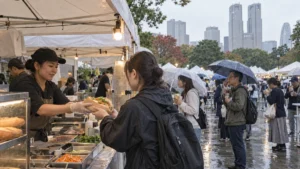
The Pho Festival 2026, which opened on March 20, 2026, was held for three days in Ninh Binh Province under the theme "Vietnamese Pho: heritage living in the present." About 50 booths exhibited, with historical exhibits on pho, demonstrations by artisans, and cultural exchange events.
| Item | Details |
|---|---|
| Dates | March 20 to 22, 2026 |
| Venue | Ninh Binh Province |
| Theme | 「Vietnamese Pho — A Living Heritage in the Modern Era」 |
| Number of exhibiting booths | About 50 |
| Main program | A reenactment play of pho's origins, the "Return to Van Cu Shrine" event, artisan demonstrations |
Le Thi Thiet, vice chair of the Vietnam Culinary Culture Association, said, "The pho-making techniques of the former Nam Dinh Province have evolved to spread across the country and reach friends around the world."
The Van Cu Pho Association and the artisan network
The Van Cu Pho Association, founded in 2022, unites 50 artisans who pass on the techniques across the country. Through the festival, it also works on nurturing young artisans and digitally archiving traditional recipes.
Pho isVietnamese restaurants chosen for the Michelin Bib Gourmanda staple menu item here too.London's HOP VietnameseandNew York's After Edenand other overseas Vietnamese restaurants also serve pho as a signature item, and if UNESCO registration is realized, its international recognition will rise further.
Local reactions: media and social media
Vietnam's state news agency VietnamPlus reported, "Pho is not merely a food, but Vietnam's cultural identity itself." The Nhan Dan newspaper positions it as "a concrete step to confirm the value of the heritage and aim for global recognition."
On social media, supportive voices of "it's only natural for pho to become World Heritage" make up the majority, while concerns are also raised by Vietnamese users, such as "won't commercialization advance too far and the traditional flavor be lost?" The birthplace debate over "is Nam Dinh style the ”real thing” and Hanoi style not?" has also reignited, with lively discussion continuing.
Impact on Japanese tourists: access and cost
Ninh Binh Province is about a two-hour drive from Hanoi, also known as the scenic area of the World Heritage Trang An. Many day tours from Hanoi are also run, making it easy to build a plan combining a pilgrimage to the home of pho with scenic sightseeing.
The price of pho is 35,000 to 50,000 VND at a roadside stall (about 205 to 295 yen) and 70,000 to 120,000 VND at a restaurant (about 410 to 705 yen). Many pho-specialty shops in Hanoi's Old Quarter open from 6 a.m., and eating authentic pho for breakfast is a staple experience of a Vietnam trip.
Ripple effects on the food industry: what UNESCO registration brings
If registered as UNESCO Intangible Cultural Heritage, pho's international brand value will rise significantly. The export market for instant pho is expected to expand, aligning with the "gastronomy diplomacy" strategy the Vietnamese government is promoting. The festival's organizers have indicated a policy of linking heritage protection with Ninh Binh Province's cultural tourism development.
Practical info summary
| Item | Details |
|---|---|
| UNESCO nomination status | Preparing documents and collecting additional materials (aiming to submit within 2026) |
| Pho birthplace | Van Cu village, Nam Dong commune, Ninh Binh Province |
| Access (Van Cu village) | About a two-hour drive from Hanoi |
| Pho price range | Stall: 35,000 to 50,000 VND (205 to 295 yen) |
| Pho Festival | Every March (March 20 to 22 in 2026, Ninh Binh Province) |
| Van Cu Pho Association | 50 members, a nationwide artisan network |
Summary: a trip to visit the home of pho
Whether pho will be registered as UNESCO Intangible Cultural Heritage may be decided as early as 2027. If registration is realized, Van Cu village will likely draw attention from around the world as the "holy land of pho." Now, before registration, is a good chance to go taste authentic Nam Dinh pho before it fills with tourists.
Source: