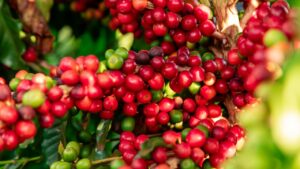

The term "specialty coffee" appears more and more often in cafés.
It carries a vaguely premium image, but few people could explain what makes it different from regular coffee. In fact, specialty coffee has a clear definition and evaluation criteria, and it is a special category said to account for only the top 5% or so of all coffee produced.
This article explains, in terms easy for beginners to follow, everything from the definition of specialty coffee and how it differs from regular coffee to the criteria worth knowing.
What is the definition of specialty coffee?
The term "specialty coffee" was first used in 1974, when American coffee expert Erna Knutsen described it at an international coffee conference as "coffee with a distinctive flavor born of special geographic conditions."
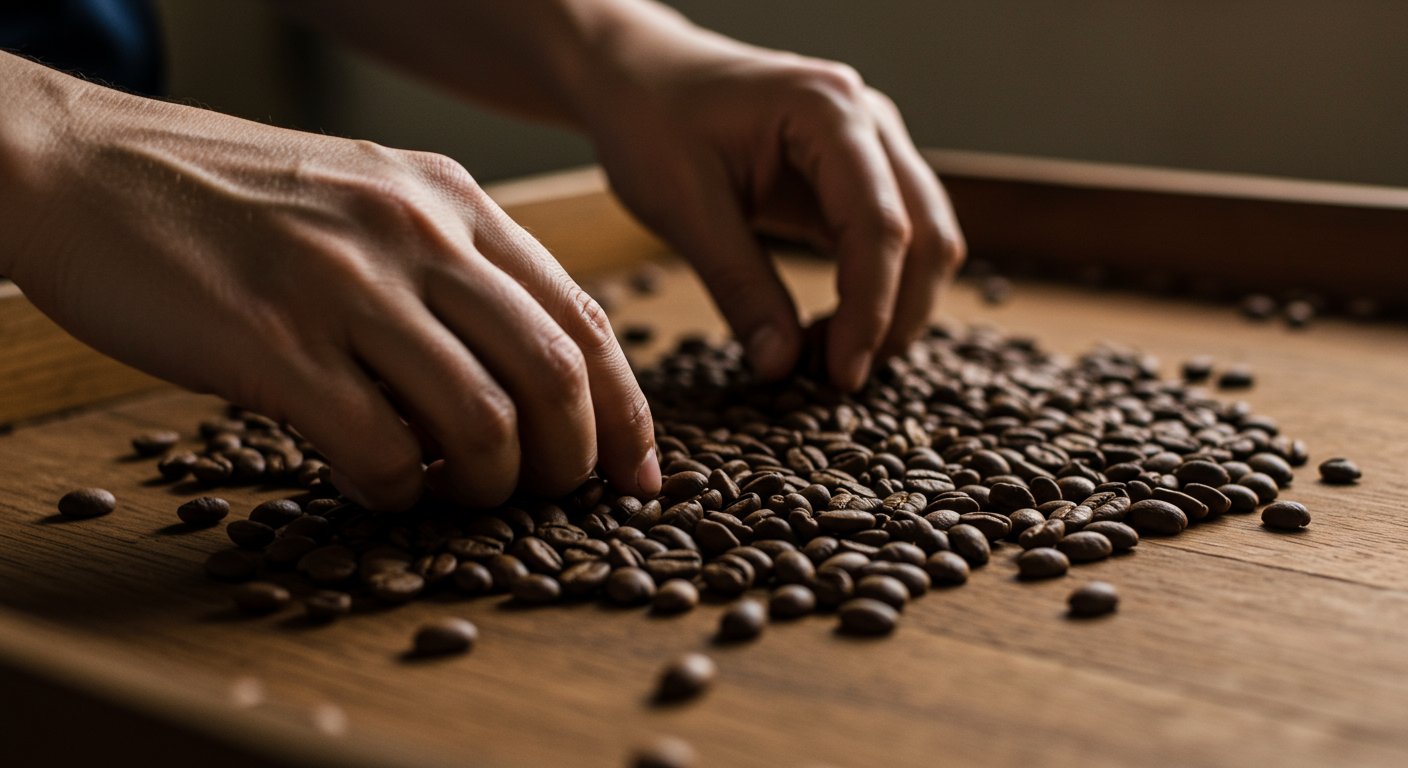
Later, in 1982, the Specialty Coffee Association was founded in the United States, clarifying the criteria for evaluating high-quality coffee. In Japan, the Specialty Coffee Association of Japan (SCAJ) was established in 2003 and has put forward its own definition.
The definition by the Specialty Coffee Association of Japan
At the heart of the SCAJ definition is that it must be "coffee that consumers evaluate as delicious and find satisfying." It calls for wonderful flavor with a striking, impressive flavor character, a refreshing, bright acidity, and a lingering coffee sensation that fades away on a note of sweetness.
Equally important is the concept of "from seed to cup." It is an essential condition that, at every stage from the coffee seed to the cup, the systems, processes, and quality control are consistent and thorough.
Specifically, the green beans must be grown, harvested, processed, sorted, and quality-controlled appropriately in the producing country, with an extremely low incidence of defective beans. They must then be roasted in an undegraded state through proper transport and storage, with no defective beans in the roasted lot. And with proper brewing, the cup must express the wonderful flavor characteristics distinctive to the growing region.
The importance of traceability and sustainability
Among the requirements for specialty coffee, traceability and sustainability are highly valued.
Traceability means having a clear record of where, by whom, and how the coffee was grown, and what path it traveled to reach us. By clarifying the distribution route from the production stage onward, consumers can confirm whether truly high-quality control has been carried out.
Sustainability means securing producers' profits so that they can keep supplying high-quality beans while maintaining thorough quality control. It also includes care for the environment and social ethics, and has come to be valued from the perspective of protecting producers.
The clear differences from regular coffee
The coffee commonly drunk is called "mainstream coffee" or "commodity coffee." Its differences from specialty coffee lie in trading volume, quality, and method of evaluation.
Differences in trading volume and price
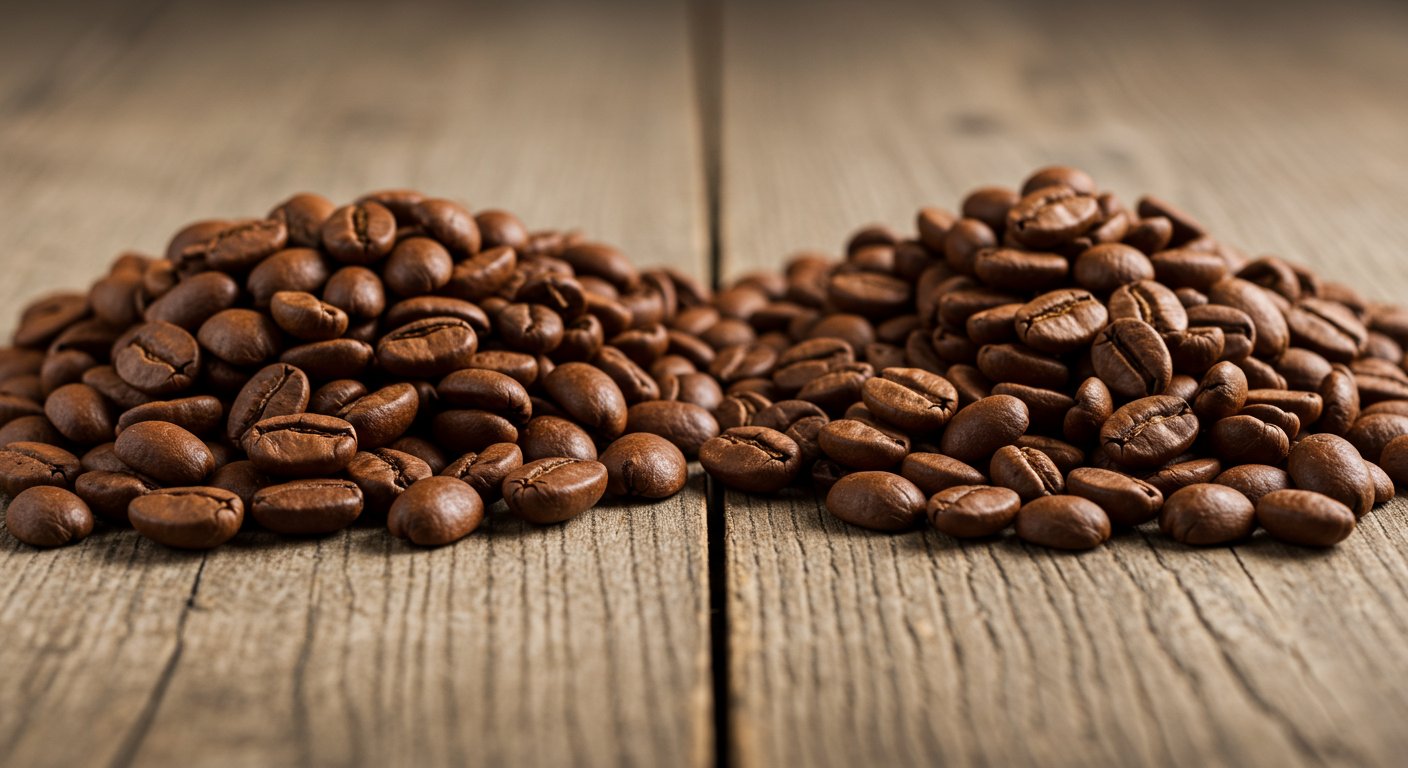
Specialty coffee discloses the farm and producer so that information can be traced, and is produced under thorough quality control. As a result, its trading volume is small and its price high, but it carries high quality. In fact, it is said to account for only the top 5% or less of all coffee produced.
Mainstream coffee, on the other hand, is traded in bulk as the same brand of beans regardless of farm or producer, so that large volumes can circulate in the market. It is available cheaply and in large quantity, but because lower-quality beans can be mixed in, quality tends to be lower.
A fundamental difference in evaluation method
The biggest difference lies in the evaluation method.
Mainstream coffee is evaluated on a deductive system. The number of defective beans and quality problems are checked, and the fewer the problems, the better the coffee is judged to be. Premium coffees long served in old-style coffee shops, such as Blue Mountain and Kilimanjaro, also fall under this evaluation system.
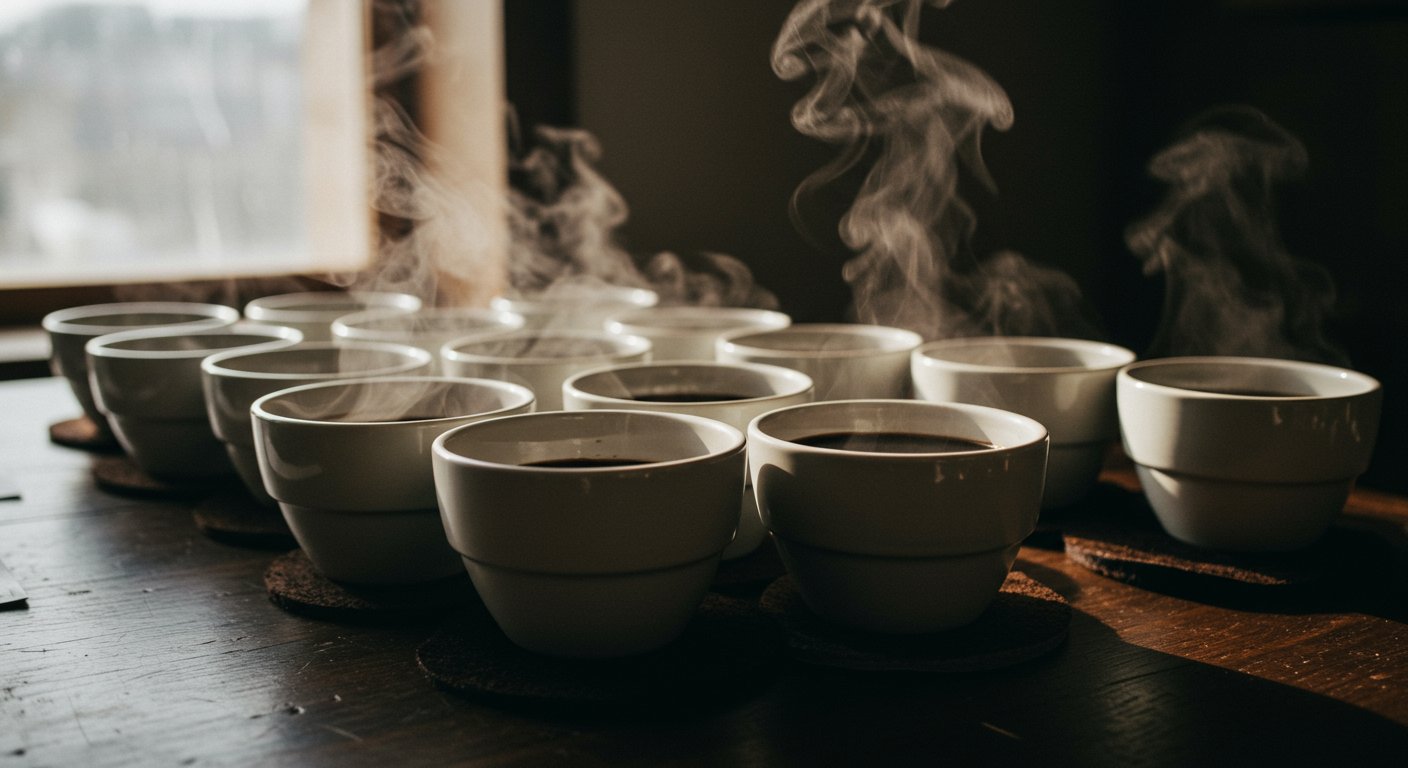
Specialty coffee, by contrast, is evaluated on a points-awarded system. Coffee that a Q Grader — an expert with an international qualification — rates at 80 or more out of 100 using a tasting technique called cupping becomes the standard for specialty coffee. This threshold of 80 or more alone is strict enough to narrow the field to roughly the top 10%.
The evaluation criteria for specialty coffee
Several important items go into evaluating specialty coffee. What differs greatly from regular coffee is the evaluation of acidity and flavor.
Cleanliness of cup quality
This is the basic starting point of quality. It must be entirely free of "taint" and "flavor defects or flaws." Transparency is essential so that the coffee's growing-region character is clearly expressed. If there are flavor taints or defects, the origin's flavor profile is masked and becomes harder for the drinker to perceive.
Evaluation of sweetness
The sense of sweetness is evaluated, which relates directly to whether the cherries were ripe and uniform at harvest. Sweetness depends not only on the amount of sugar in the roasted coffee but also on its combination with other components and elements that shape the impression of sweetness. Even with high sugar content, harsh bitterness, jarring acidity, strong taint, or astringency makes sweetness harder to perceive.
Evaluation of acidity character
How much brightness the coffee has — how bright and refreshing, or how delicate, its acidity is — becomes the subject of evaluation. A fine acidity gives coffee a lively impression and lends it delicacy and a firm backbone.
What matters is not the strength of the acidity but evaluating its quality. Jarring acidity, acidity that gives an unpleasant impression, acidity lacking freshness or sharpness, and degraded, off-putting acidity are said to have no place in specialty coffee.
Expressing flavor with the flavor wheel
A major appeal of specialty coffee is that its flavor is described in a wide range of terms, from strawberry to jasmine.
The chart that categorizes such flavors is called the "flavor wheel." The aroma of coffee is generally strongly associated with the toastiness and caramel notes of roasting, but specialty coffee has flavors expressed in scents and tastes likened to other foods, such as fruit, flowers, and spices.
The more unique and one-of-a-kind the flavor, the higher it is rated.
The background to how specialty coffee spread
Behind the spread of specialty coffee lies a reckoning with the era of mass coffee consumption. From the 1960s into the 1970s, a "more, no matter what" mindset led to a period when low-quality coffee became widespread.
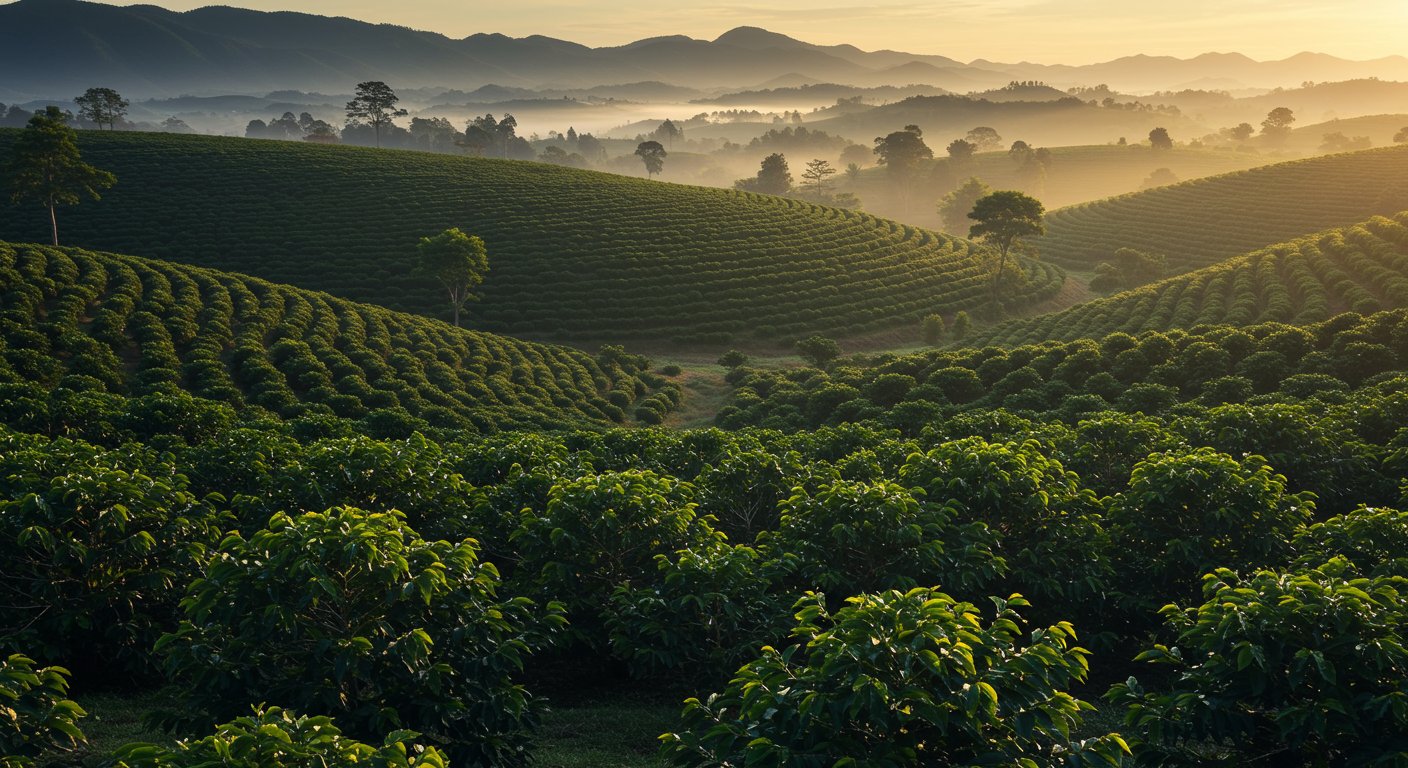
Out of reflection on this situation came a movement that found value in quality and in producers' stories. "Third-wave coffee," which spread mainly in the United States, is a current that emphasizes transparency around origin, producers, and the roasting process.
We have entered an era where consumers care about who grew the beans, where, and how, and where the producer's story carries real value. The labeling of bean origins, attention to single-origin (single-farm) coffee, and diverse roasting styles such as light and medium roast have spread, deepening and enriching the world's coffee culture.
Mechanisms that protect producers
In many producing countries, smallholder farmers carry out production, and price volatility and an unstable distribution structure pose challenges. Against this backdrop, Fairtrade and Rainforest Alliance certification are drawing attention.
Through these mechanisms, a movement is spreading that helps producers trade at fair prices and balances environmental conservation with better livelihoods. Consumers, too, are increasingly valuing the ethical choice over the cheapest option, and a shift in social awareness is taking shape through coffee.
Conclusion: to enjoy specialty coffee
Specialty coffee is not simply expensive coffee. It is a special category where the producer's face is visible, where thorough quality control runs from cultivation through brewing, and which has cleared clear evaluation criteria.
The difference from regular coffee lies in being evaluated on a points-awarded system rather than a deductive one, in having traceability and sustainability secured, and above all in the consistent quality control of "from seed to cup."
Specialty coffee accounts for only the top 5% or so of all coffee produced. Within a single cup are the producer's effort, the memory of the land, and a wish for a sustainable future.
The next time you spot specialty coffee at a café, savor it while imagining the story behind it. A rich coffee experience unlike your usual one is sure to be waiting.