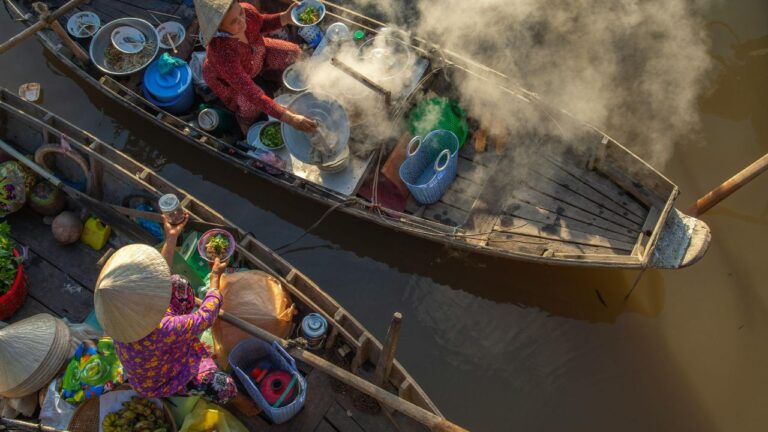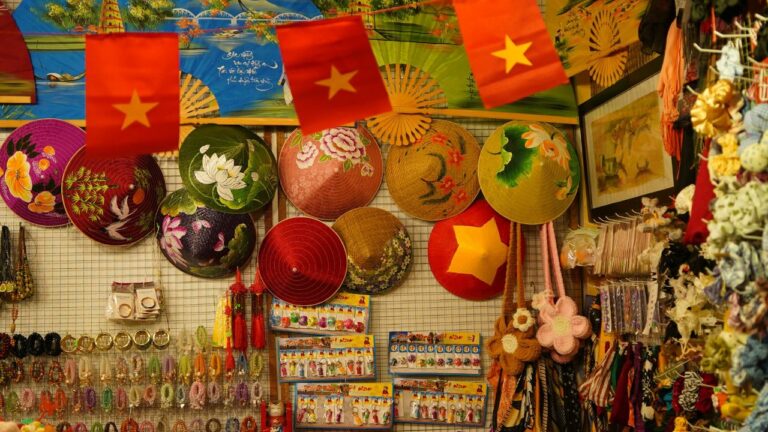
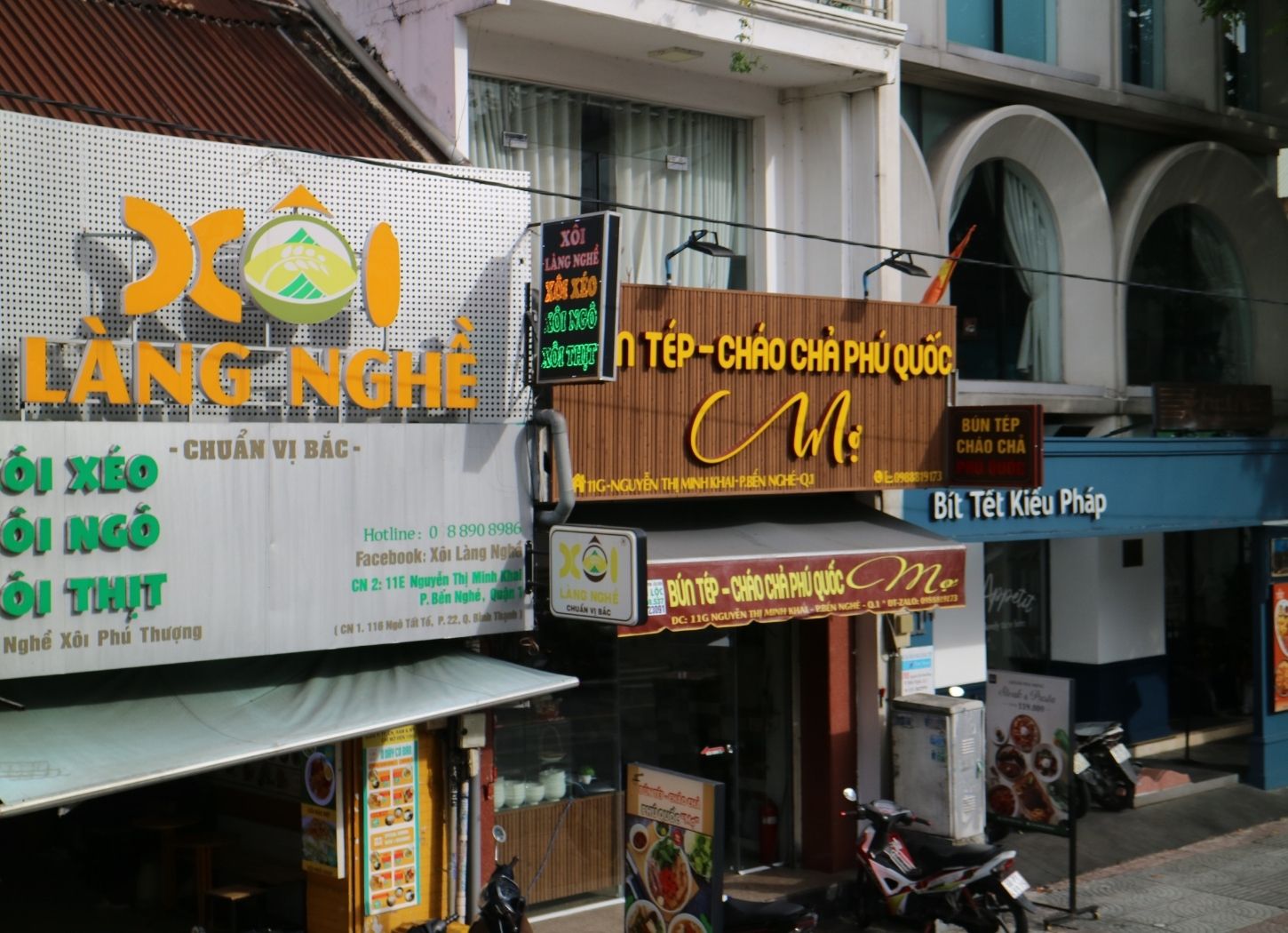
With a population of over 100 million, Vietnam is considered one of Southeast Asia's young nations. The average age is about 30, with a high proportion of young people, and the whole country is full of youthful energy. The values and trends created by young people have a major influence on society.
One thing drawing particular attention in recent years isVietnamese coffee and cafés, which continue to evolve in tandem with youth culture.
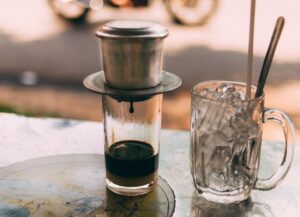
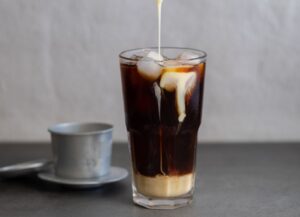
In Vietnam, traditional Vietnamese coffee — brewed drop by drop through a metal filter called a phin — has long been enjoyed. At the same time, new styles of Vietnamese coffee that incorporate young people's sensibilities are emerging.
In this article,we clearly explain the relationship between Vietnam's youth culture and coffee, and the latest trends spreading in urban areas.
A traditional coffee culture savored slowly
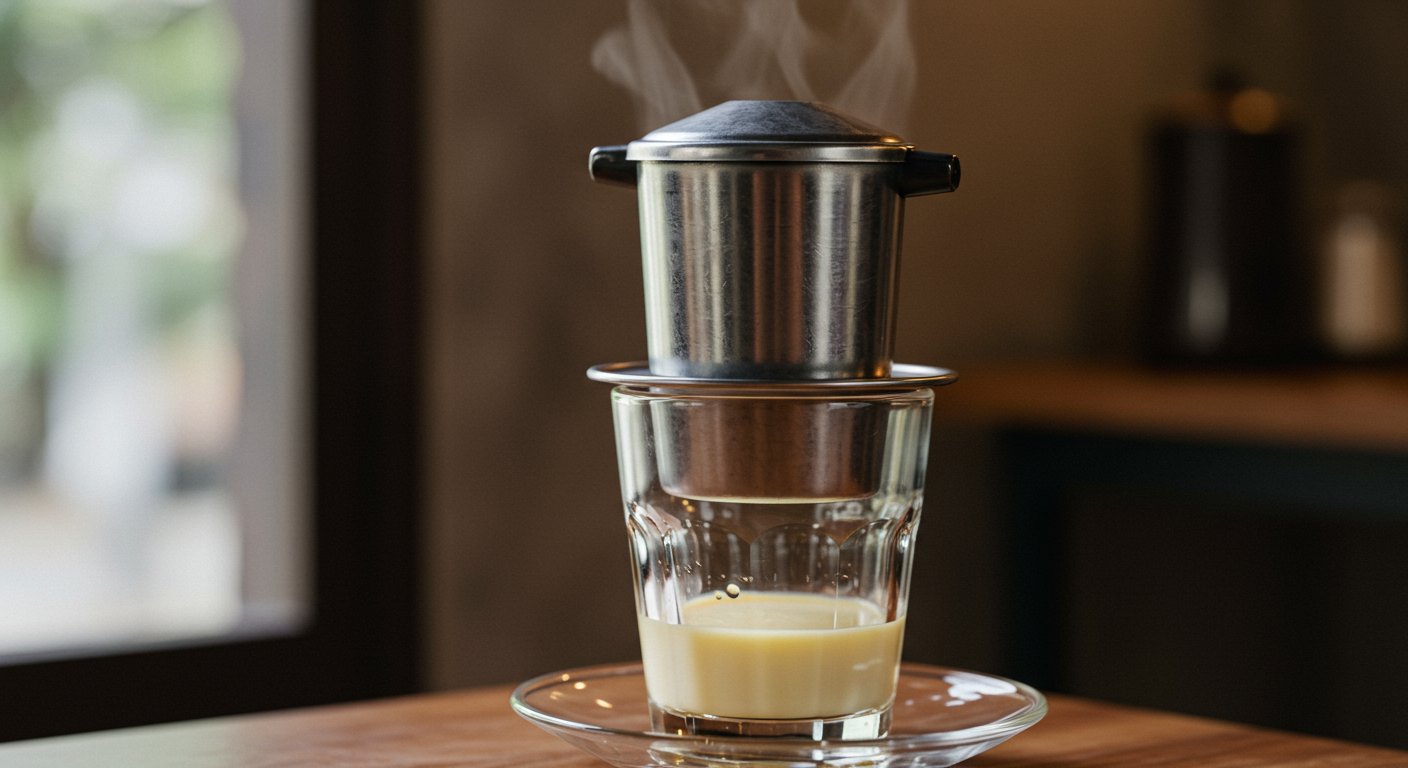
The way Vietnamese people drink coffee is, above all, "slowly."It is brewed drop by drop over time through a metal filter called a phin, resulting in a very rich flavor. The beans mainly used are Robusta, and the strong bitterness and full-bodied taste are hallmarks of Vietnamese coffee.
From early morning, people gather at street-corner cafés, and the sight of them enjoying conversation while waiting for the coffee to drip can be seen everywhere. For Vietnamese people, it is not just about drinking coffee and being done — they value enjoying that time while chatting.
Old-style cafés are lined with simple chairs, and many allow smoking, giving the impression that the clientele is mainly male. This tradition still remains, but in recent years, gradual changes have begun to appear.
New trends in Vietnamese coffee tied to youth culture
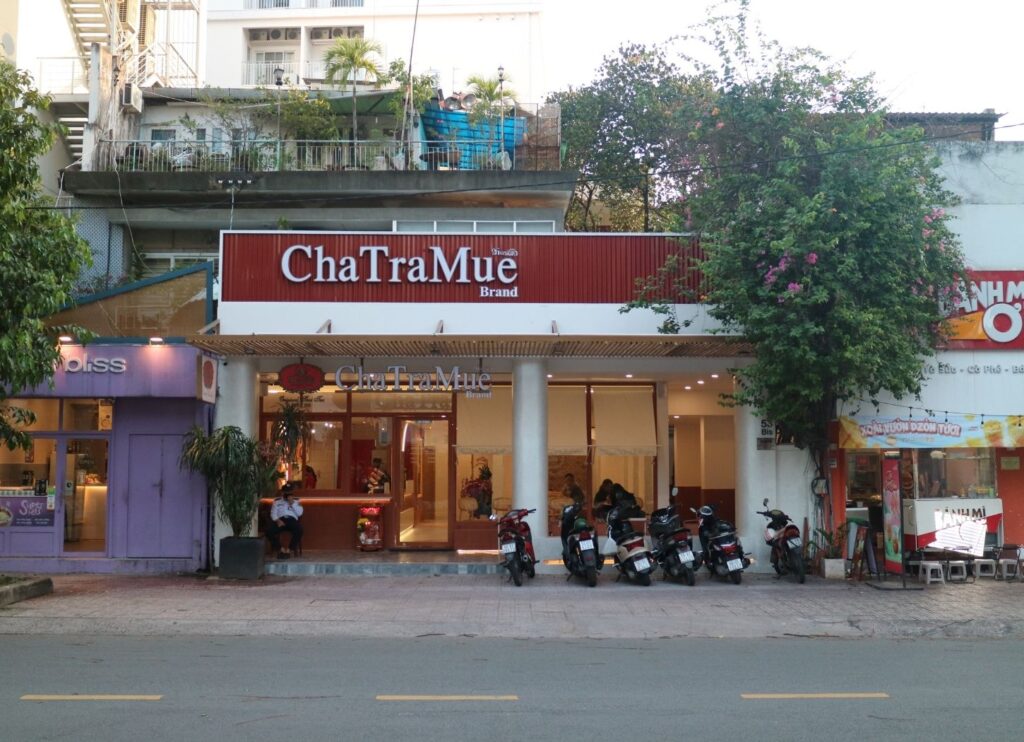
In Vietnam's urban areas, new ways of enjoying Vietnamese coffee tied to youth culture are spreading.
With drinks made with matcha and coconut, and careful attention to interiors and atmosphere, cafés are evolving into places that broadcast youth culture.
Cafés shift from "a place to drink" to "a place to spend time"
Around 11 p.m., when the night has deepened, it's not unusual to find people still at the cafés. Cafés in central Ho Chi Minh City are packed with young Vietnamese even in the middle of the night.
People spend their time in all sorts of ways — relaxing with a musical instrument, painting figurines, or working on a laptop. Most cafés offer free Wi-Fi, and everyone passes the time as they please.
Many people are simply there to be there, andcafés have become firmly rooted in young people's daily lives as something like a "living room."
Social media and Vietnam's café trends
What underpins the spread of this café culture is social media such as Facebook and TikTok.Popular cafés considered "Instagrammable" bustle with young people taking photos.
In contrast to the sterile traditional cafés, the experience of enjoying the space itself has come to hold value within youth culture.
Vietnam's major café chains and the latest trends
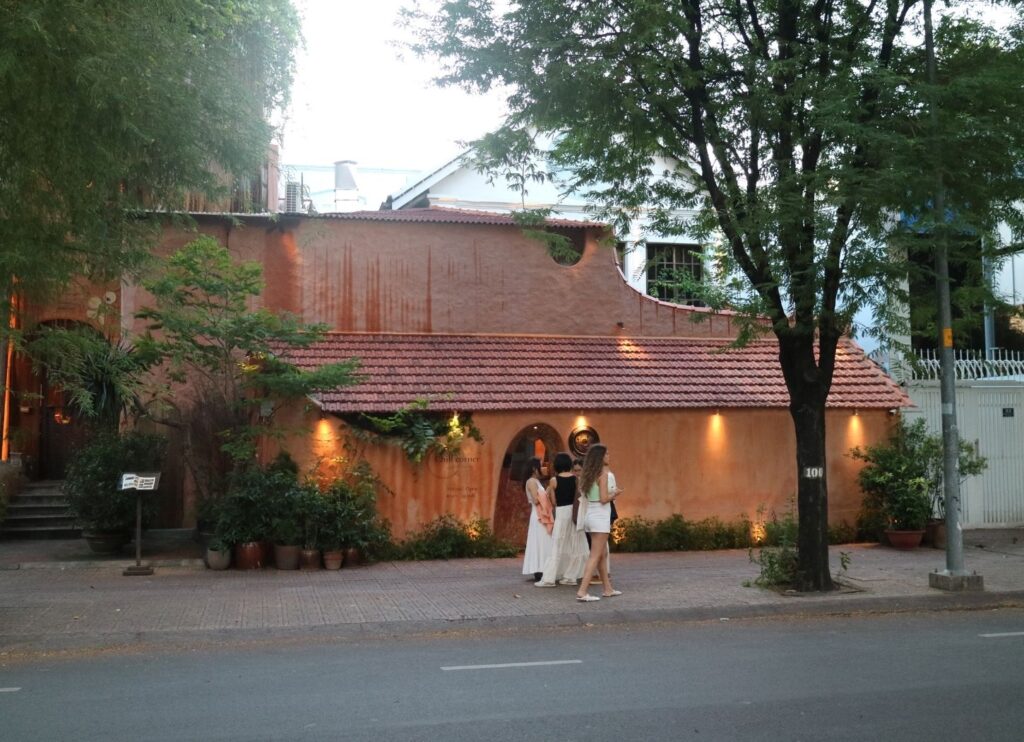
Vietnam is home to many distinctive local café chains that are especially popular among young people. As of 2025, the leading café chains include the following brands.
Popular local café chains
HIGHLANDS COFFEE
Opening its first store in 1999, it is the largest chain, with over 800 outlets across Vietnam as of October 2024. Ho Chi Minh City alone has more than 250 stores in operation.
TRUNG NGUYEN LEGEND
A long-established Vietnamese café chain with about 700 stores. Known for its upscale interiors and wide variety of beans, it lets you enjoy coffee suited to your taste.
CONG CA PHE
A flagship Vietnamese chain that has also expanded to South Korea and Malaysia. Its green-themed interior, evoking the North Vietnamese army, is striking. Many Japanese visit for the coconut coffee.
Phe La
A chain that has expanded mainly across Ho Chi Minh, Da Nang, and Hanoi since opening its first store in Hanoi in March 2021. Its spacious interiors and simple, refined décor are popular.
THE COFFEE HOUSE
A café chain marked by its black signboard. Its modern interiors are popular mainly with young people.
TWITTER BEANS COFFEE
A café chain centered on Hanoi. You can enjoy coffee made from carefully selected beans. The calm interior is perfect for working on a laptop.
The matcha trend to watch
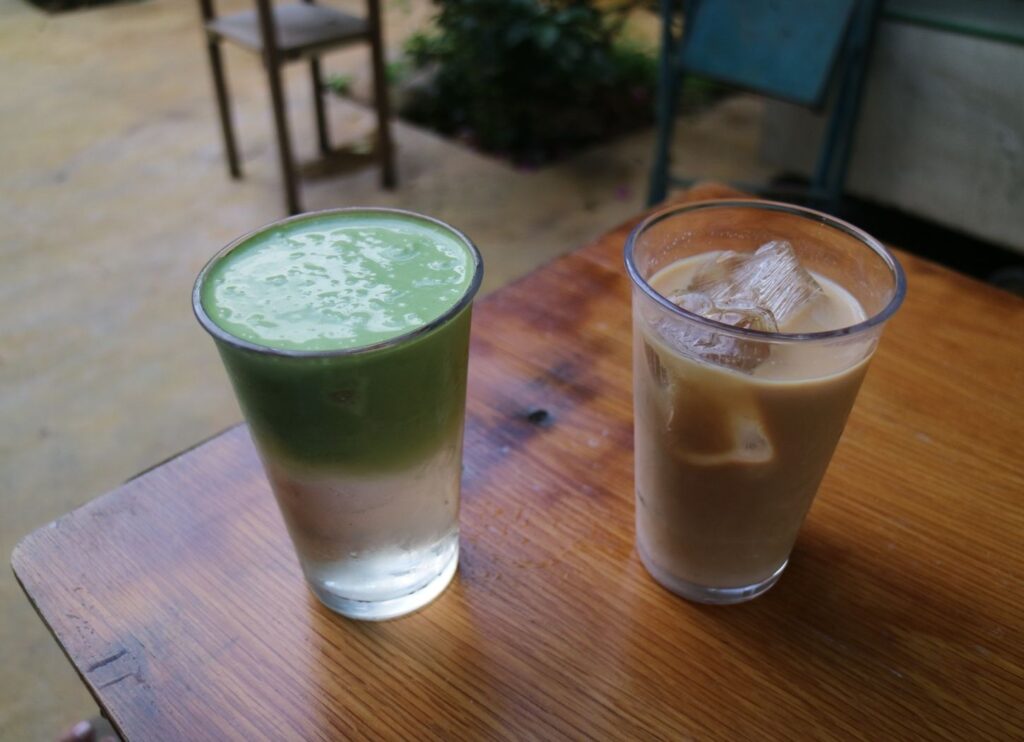
In recent years in Vietnam, matcha has been raising its presence as a new staple drink alongside coffee.
Cafés that use authentic matcha powder and whisk it with a chasen (bamboo whisk) are not uncommon.
Drawing particular attention among Vietnamese youth are "coconut matcha" and "strawberry matcha."
Coconut matcha
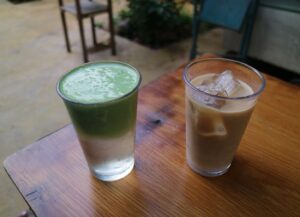
The hallmark is combining coconut water instead of milk, so the rich, slightly bitter matcha harmonizes exquisitely with the light sweetness of coconut. At cafés in Ho Chi Minh City, it is served as a three-layer drink where clear coconut water and vivid matcha stack up, winning popularity for its refreshing look and taste.
Strawberry matcha
A product so popular that even major coffee chains put it on their menus. Combining the tartness of the fruit with the deep aroma of matcha, it is embraced mainly by young people as a drink to enjoy like a dessert.
In Vietnam's urban areas, novel matcha drinks paired with fruit or cheese foam keep appearing one after another, and their Instagrammable visuals are part of the appeal.
This matcha boom is closely tied to the climate, food culture, health-consciousness, and the lifestyle of young people who prioritize sharing on social media.
Vietnam's café price ranges and the changing clientele
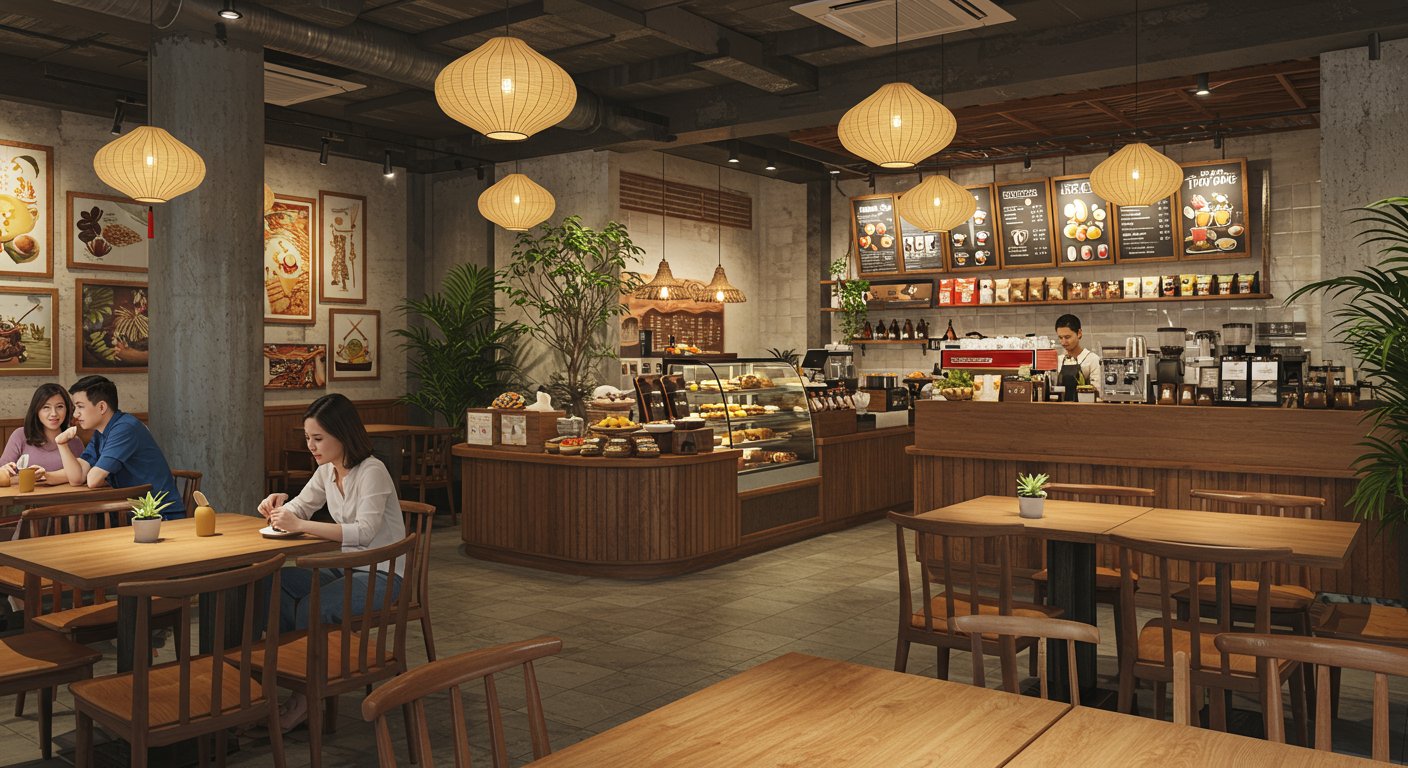
Coffee prices vary by the type of café. The price per cup of black coffee is summarized below.
| Type of café | Price |
|---|---|
| Local coffee shop | About 10,000-20,000 VND (about 50-100 yen) |
| Foreign café chain | About 65,000 VND (about 390 yen) |
| Vietnamese chain | About 45,000 VND (about 300 yen) |
Comparing local coffee shops and foreign café chains, there is a price gap of more than five times. Despite the large difference, foreign chains such as Starbucks are popular among young people.
For young people, foreign coffee shops are stylish places, and they are often used for special occasions, whether business or personal.
Vietnam's ever-evolving coffee culture
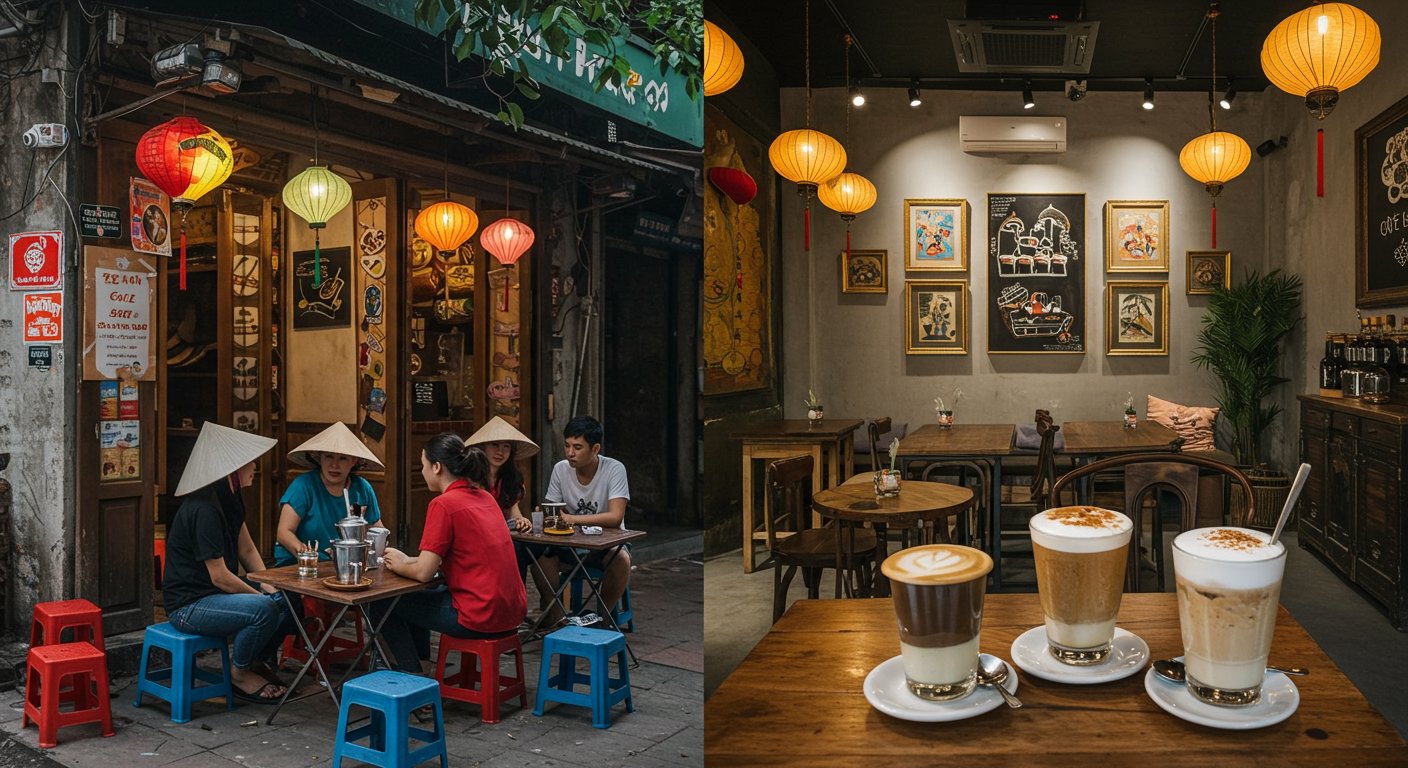
Vietnam's coffee culture, while cherishing the traditional "slow" way of spending time, continues to evolve at the hands of young people. Cafés go beyond being places to eat and drink, functioning as part of daily life, a place to socialize, and a second living room.
If you have the chance to visit Vietnam, try dropping by various types of cafés. There you will find the lives and culture of the Vietnamese people, alive in something that goes beyond a mere drink.
Feeling the pulse of the city and its people through coffee. That, perhaps, is the true essence of Vietnam's coffee culture.