Vietnam is in fact a powerhouse, ranking second in the world in coffee production. It leads the world in Robusta production in particular, and its rich flavor continues to captivate many coffee lovers.
Despite ranking second in output behind Brazil, Vietnamese coffee's distinctive taste and culture set it apart from other countries.
In this article, we introduce the decisive differences compared with coffee from other countries. By reading it, you'll come to understand the distinctive culture of Vietnamese coffee.
What defines Vietnamese coffee? Explaining the difference between Robusta and Arabica
| Arabica | Robusta | |
|---|---|---|
| Main producing regions | - Brazil - Colombia | - Vietnam (the largest producer of Robusta) - Indonesia, India, Uganda, Nigeria, and others |
| Caffeine content | Relatively low, around 1.2-1.5% | High, around 2.5-4.5% |
| Flavor characteristics | Well-balanced and delicate | Strong bitterness and deep body |
| Recommended ways to enjoy | - French press or hand drip | - Extraction using a phin - Traditional Vietnamese coffee with condensed milk or ice |
The two main types traded worldwide are Arabica and Robusta.
In Vietnam, Robusta is grown predominantly. About 97% of domestic production is this Robusta, and the country ranks first in the world in Robusta output.In Central and South American countries such as Brazil and Colombia, on the other hand, Arabica cultivation is the mainstream.
Why Vietnamese coffee is bitter: differences in caffeine content and flavor
Robusta, the mainstay in Vietnam, is known for its rich, punchy flavor.
The reason Vietnamese coffee is said to be bitter is attributed to the following characteristics of Robusta.
- Caffeine
This is an alkaloid, one of the causes of coffee's bitterness. It has a sharp, stimulating bitterness and is said to account forroughly 10 to 30%of coffee's overall bitterness.
- Chlorogenic acid
A type of polyphenol contained in coffee beans, this is also a compound related to bitterness. As roasting progresses, it breaks down and transforms, influencing the formation of coffee's characteristic bitterness and body.
Arabica, on the other hand, is characterized by acidity, with a fruity aroma and a delicate flavor. It's mainly Arabica that's used for ordinary drip coffee and espresso.
"Phin": a coffee brewing method unique to Vietnam
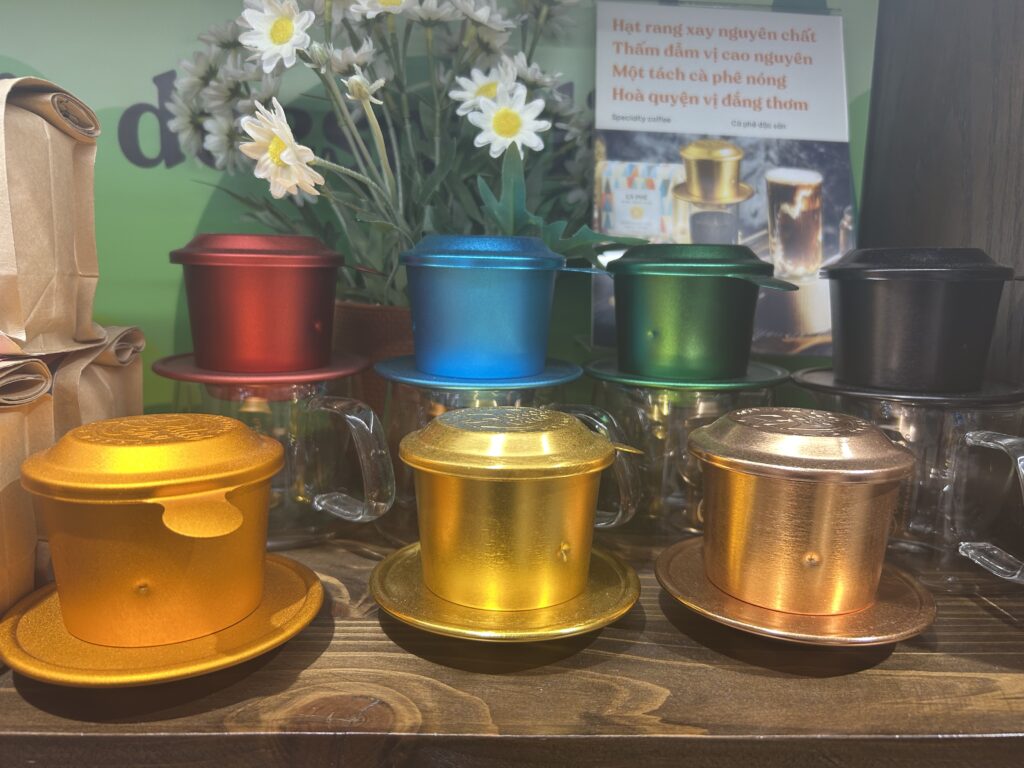
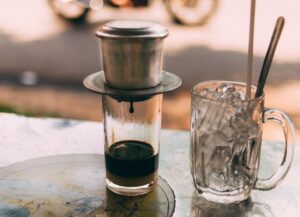
The greatest hallmark of Vietnamese coffee is a brewing method using a distinctive metal filter called a "phin."
Extraction with the phin can be called a coffee culture unique to Vietnam, different from other countries' drip methods.
The phin is a small metal device you set directly on top of the coffee cup. You put the grounds in the upper part and pour in hot water, and the coffee slowly drips down into the cup below.
Simple yet effective, this device also has the practical advantage of working without electricity or special equipment.
In other countries, including Japan, various brewing methods are used, such as drip, espresso machines, and French press, but this phin method is unique to Vietnam. By taking time to extract slowly, it draws out the fullest bitterness and richness of the Robusta bean.
The harmony of sweetness and bitterness unique to Vietnamese coffee
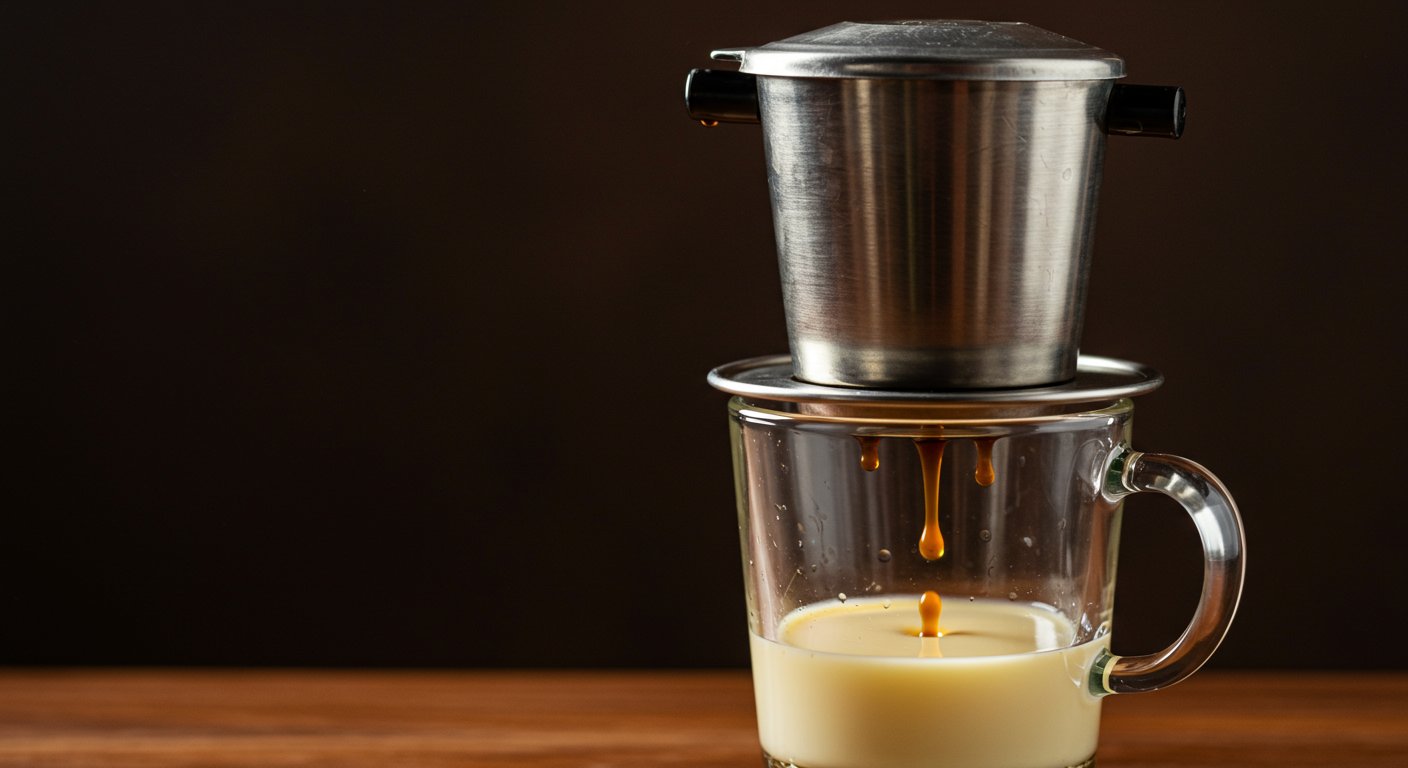
If you're used to Americanos and cafe lattes, some may find Vietnamese coffee sweet, paired as it is with condensed milk or coconut cream.
The appeal of traditional Vietnamese coffee lies in the combination of Robusta's distinctive bitterness and sweetness.
Here, we explain the characteristics, historical background, and variations of Vietnamese coffee.
Condensed milk in coffee? Why Vietnamese coffee is sweet
The reasons Vietnamese coffee is sweet lie mainly in "Robusta's strong bitterness" and "historical background."
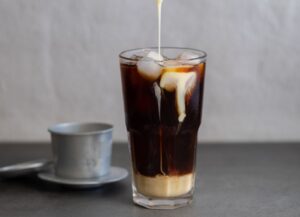
Robusta, produced mainly in Vietnam, has a stronger bitterness and richer body than Arabica. To soften that bitterness, the style of adding condensed milk spread.
It's also said that because the distribution of fresh milk was once limited in Vietnam, condensed milk, which keeps well, came to be used in coffee.
The combination of rich Robusta coffee and sweet condensed milk is now beloved by many as the taste that symbolizes Vietnamese coffee.
Unique variations of Vietnamese coffee
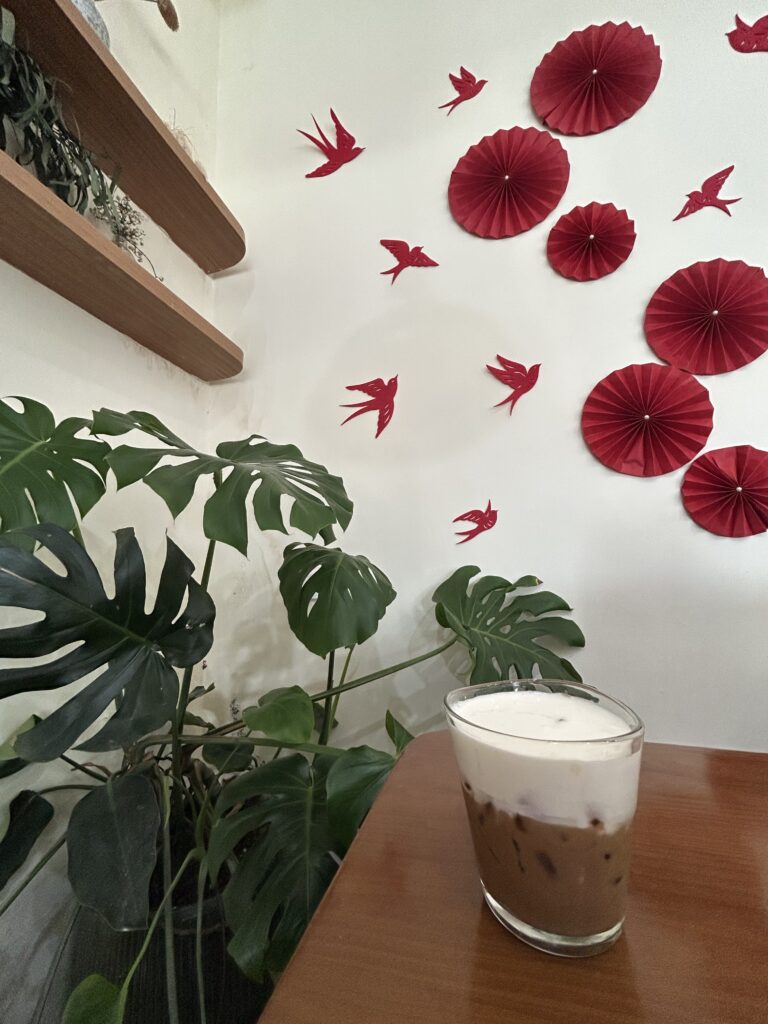
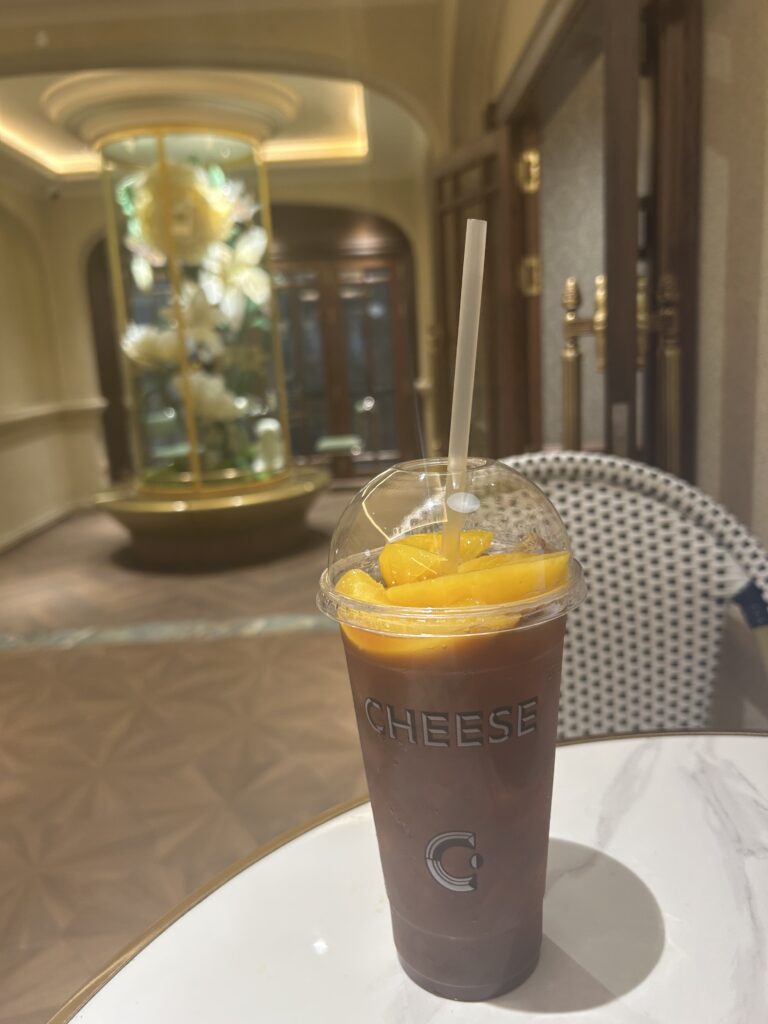
| Type | Vietnamese | Characteristics |
|---|---|---|
| Black coffee | Ca phe den | Black coffee made using a metal dripper called a "phin" |
| Condensed-milk coffee | Ca phe sua | Coffee with condensed milk |
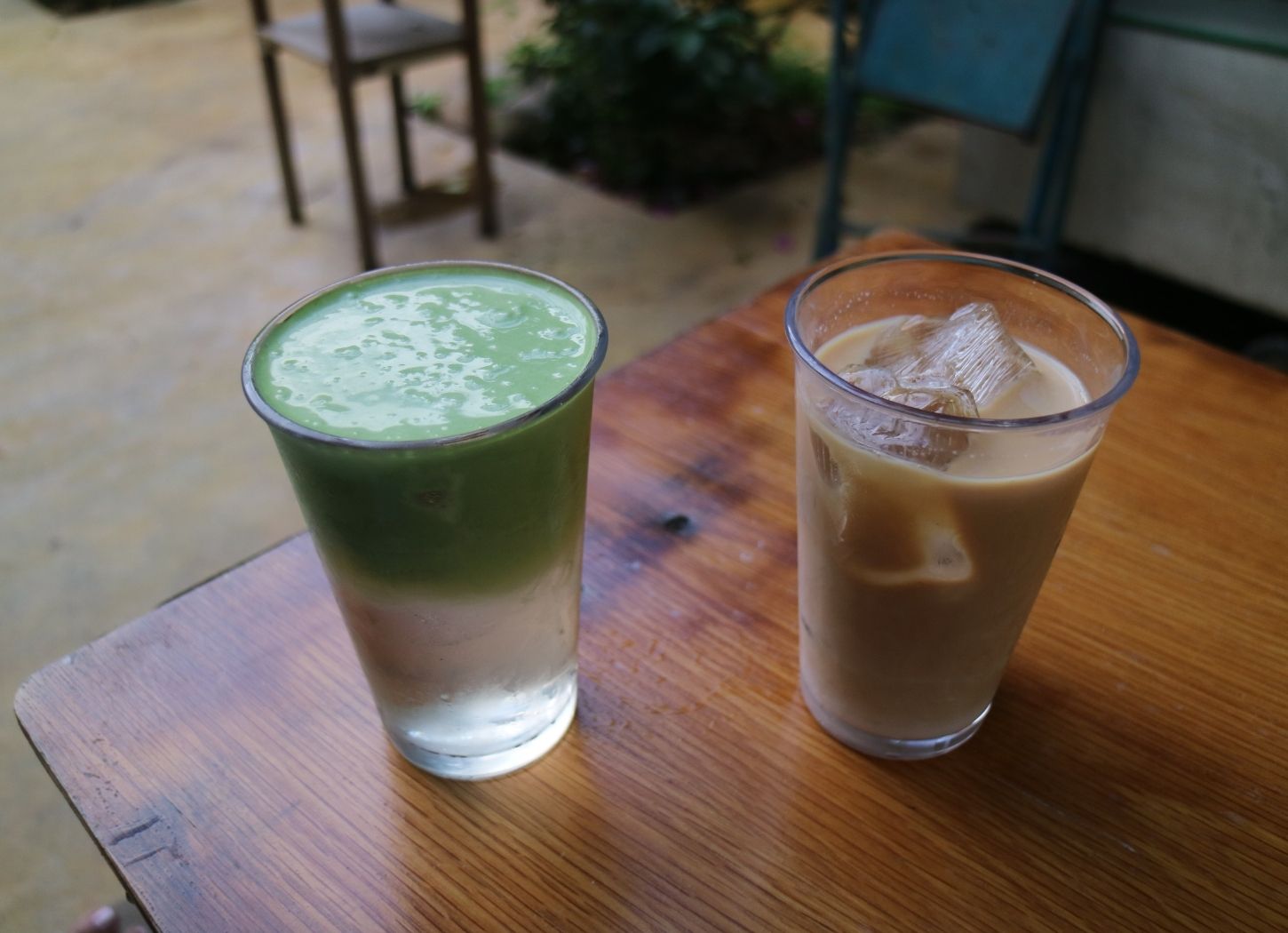
| Milk coffee | Bac Xiu | Vietnam's version of an iced latte; similar to ca phe sua, but bac xiu has more milk |
| Coconut coffee | Ca phe dua | Strong coffee mixed with coconut milk and condensed milk |
| Egg coffee | Ca phe trung | Coffee topped with a foam of egg yolk and sugar |
| Salt coffee | Ca phe muoi | Salt added to the milk layer of an iced latte. Coffee and saltiness go together surprisingly well |
| Cold Brew Coffee | Cà phê cold brew (cafe cold brew) | Coffee extracted over a long time with cold or room-temperature water. Blends with peach, orange, or lychee are the standard. |
"Egg coffee" is a unique drink topped with a cream of whipped egg yolk and condensed milk over the coffee. With a flavor much like tiramisu, it is an original coffee not found in other countries.
"Coconut coffee," too, is a uniquely Vietnamese cup that combines the flavor of coconut milk with coffee.
These inventive variations are a symbol of Vietnam's coffee culture.
While coffee cultures in other countries tend to focus on the flavor of the coffee itself, in Vietnam a culture of enjoying combinations with various ingredients has taken root.
The appeal of Vietnam's cafés, as felt by a resident
Vietnam's cafés draw all sorts of people, from morning until late at night.
People working, people enjoying conversation, young people taking photos to post on social media: compared with Japan, Vietnam's cafés are free-spirited and deeply rooted in people's daily lives.
Vietnam's cafés can be broadly divided into three types.
Vietnam's homegrown chains
Vietnam has many café chains that developed independently within the country. The most representative are "HIGHLANDS COFFEE," the largest with over 800 outlets, and the long-established "TRUNG NGUYEN LEGEND," with around 700 outlets.
"CONG CA PHE," familiar to Japanese travelers too, is known for its distinctive green-based interior inspired by the North Vietnamese army, and many people visit for its signature coconut coffee.
Prices run from 45,000 VND to 70,000 VND (about 270-420 yen) per cup of black coffee.
Stylish yet authentic cafés
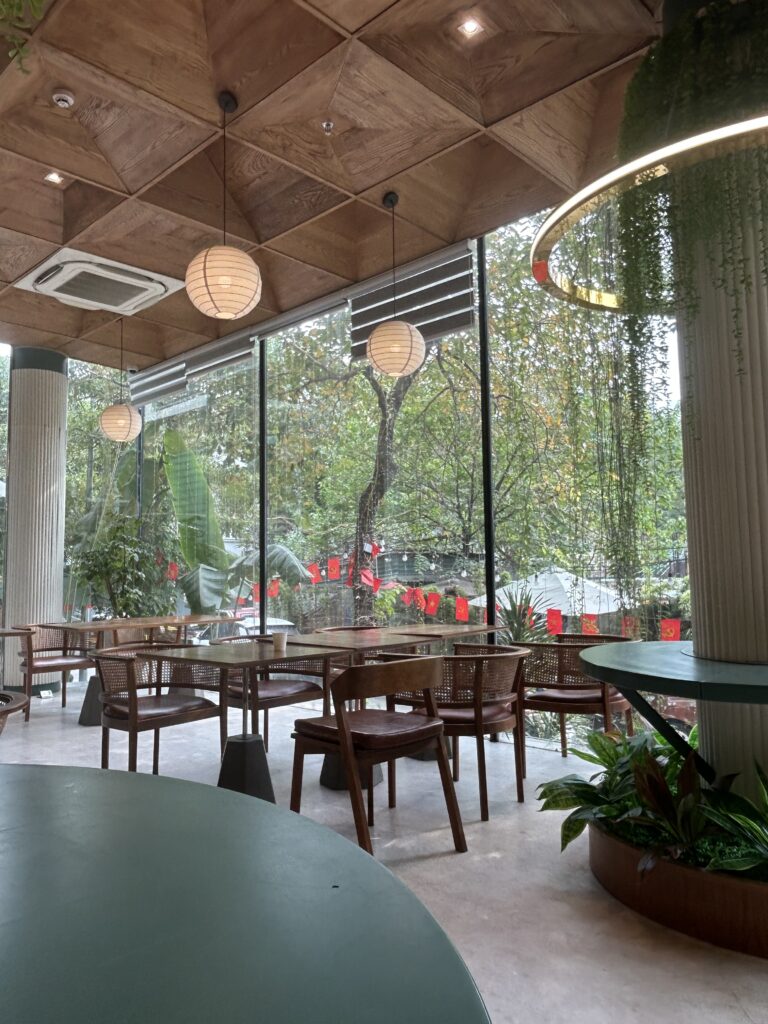
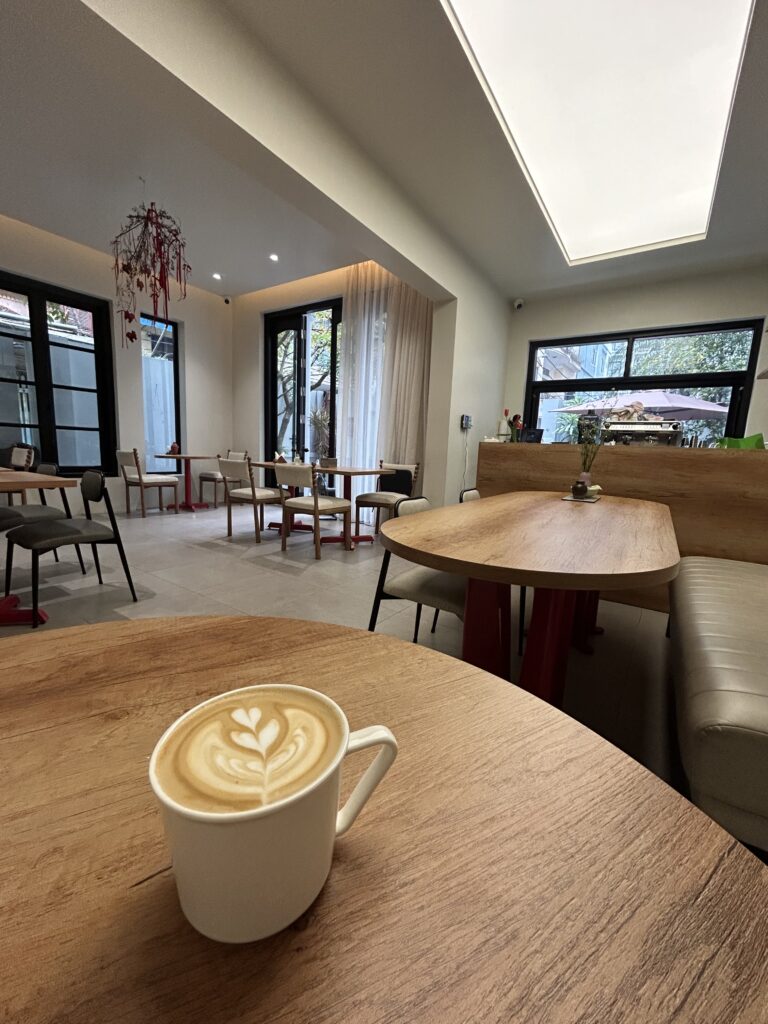
In recent years, cafés that put real care into their spaces have surged in number. Boosted by the spread of Instagram and TikTok, shops that go all in on the visuals of their interiors and drinks are drawing crowds, mainly among young people.
They range from cafés that have become "photogenic" photo spots to quiet, grown-up spaces with a calm atmosphere.
Prices are the same as at the chains, from 45,000 VND to 70,000 VND (about 270-420 yen) per cup of black coffee.
Local cafés for a taste of Vietnam's everyday atmosphere
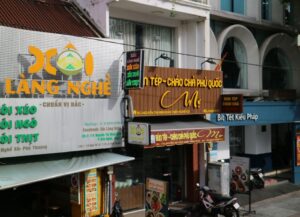
Standing apart from both chains and stylish cafés are the local cafés scattered on street corners. In small shops with rows of simple plastic chairs, locals sip rich coffee dripping drop by drop from a phin as they enjoy their chats. Prices are around 10,000 to 20,000 VND (about 50-100 yen) per cup, an everyday price.
You may find them hard to walk into at first, but that's exactly what real, everyday Vietnam is like. If you want to experience the traditional coffee culture, do step into a local café.
Summary: The Appeal of Vietnamese Coffee
Vietnam, the world's second-largest producer, has built a rich, punchy flavor unlike any other country, with Robusta in the leading role. Slow extraction with the phin isn't merely a cooking step; it's a culture of enjoying the passage of time.
And cafés, whether small local shops, stylish spaces designed to be photogenic, or nationwide chains, all function in any form as "places where people gather and share time."
If you get the chance to visit Vietnam, do take a cup of coffee in hand and savor that time and place at your leisure. Through the coffee, you're sure to glimpse the depth of the country that is Vietnam.