The world of Vietnamese coffee is undergoing major change. Known as the world's second-largest coffee exporter, Vietnam is, as of 2025, entering a new turning point in its market. Loved for its rich flavor and distinctive culture, Vietnamese coffee, with a culture nurtured through a history dating back to the French colonial era, now captivates coffee lovers around the world.
Especially noteworthy is that coffee production, long centered on traditional Robusta, has begun to put effort into growing high-quality Arabica as well. This is greatly broadening the range of Vietnamese coffee.
The Current State of Production and Exports
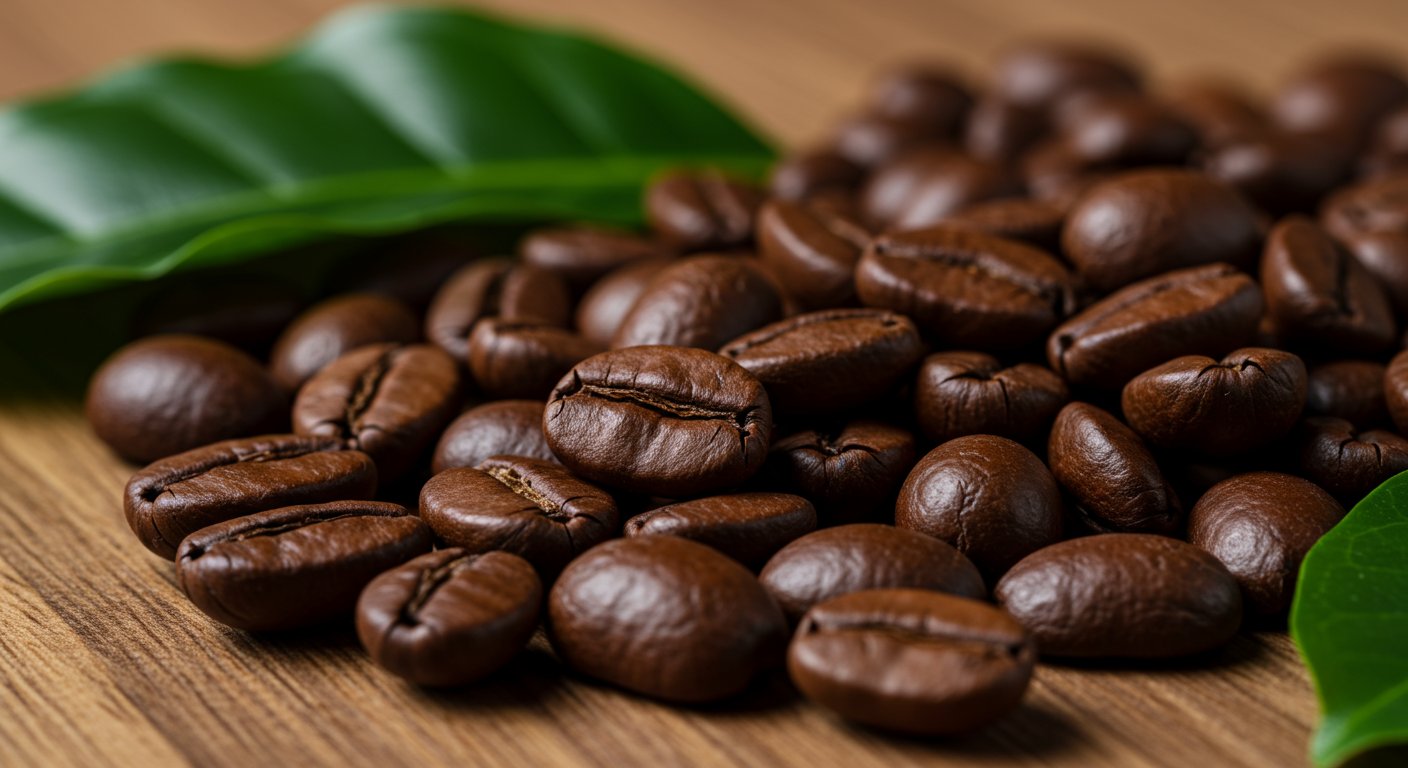
As of 2025, Vietnam continues to hold its position as the world's second-largest coffee exporter. According to the latest report from the U.S. Department of Agriculture (USDA), total production for the 2025/26 season is broadly stable, projected at around 30 million bags (about 1.8 million tons) [USDA 2025].
Exports are at a major turning point. In the 2023-2024 harvest season, Vietnam exportedabout 1.46 million tonsof coffee. Although the volume declined year on year, rising average export prices pushed export value past5.43 billion USD, a record high [VietnamPlus 2024]. Exports spread to more than 80 countries and regions, with the EU the largest market.
Vietnamese coffee's presence is growing in the Japanese market, too. Instant "3-in-1" types and condensed-milk coffee enjoy steady popularity, and their appeal is spreading through online shops and specialty cafes.
Price Trends and Supply Factors
Since late 2024, green Arabica prices have trended upward against the backdrop of dry weather in Brazil and tight supply and demand. As a result, the move within Vietnam from Robusta-centered production toward expanding Arabica cultivation is gaining momentum.
Furthermore, a 10% U.S. tariff on Robusta imports is also driving international prices higher. In response, Vietnamese producers are diversifying risk by combining Robusta and Arabica production and adopting sustainable farming methods and new technologies.
Vietnamese Coffee Trends to Watch
In 2025, several clear trends are emerging in the Vietnamese coffee market. A new coffee culture blending tradition and innovation is taking shape.
As more people seek experiences that let them feel the pulse of a city and its people through coffee, Vietnamese coffee is drawing attention as a cultural experience that goes beyond a mere beverage.
The Rise of Specialty Coffee
In Vietnam, the shift from traditional Robusta-centered production toward growing high-quality Arabica is accelerating. Arabica from Da Lat in the central highlands, in particular, is winning higher marks at international coffee competitions.
Specialty coffee production is backed by the government as part of the "Specialty Coffee" promotion policy announced by Vietnam's Ministry of Agriculture and Rural Development in 2021. This goes beyond simply changing varieties to include sustainable farming and environmentally conscious production. Output of low-impact organic and low-carbon coffee certified under VietGAP and GlobalGAP is on the rise.
The Rapid Growth of Cafe Chains
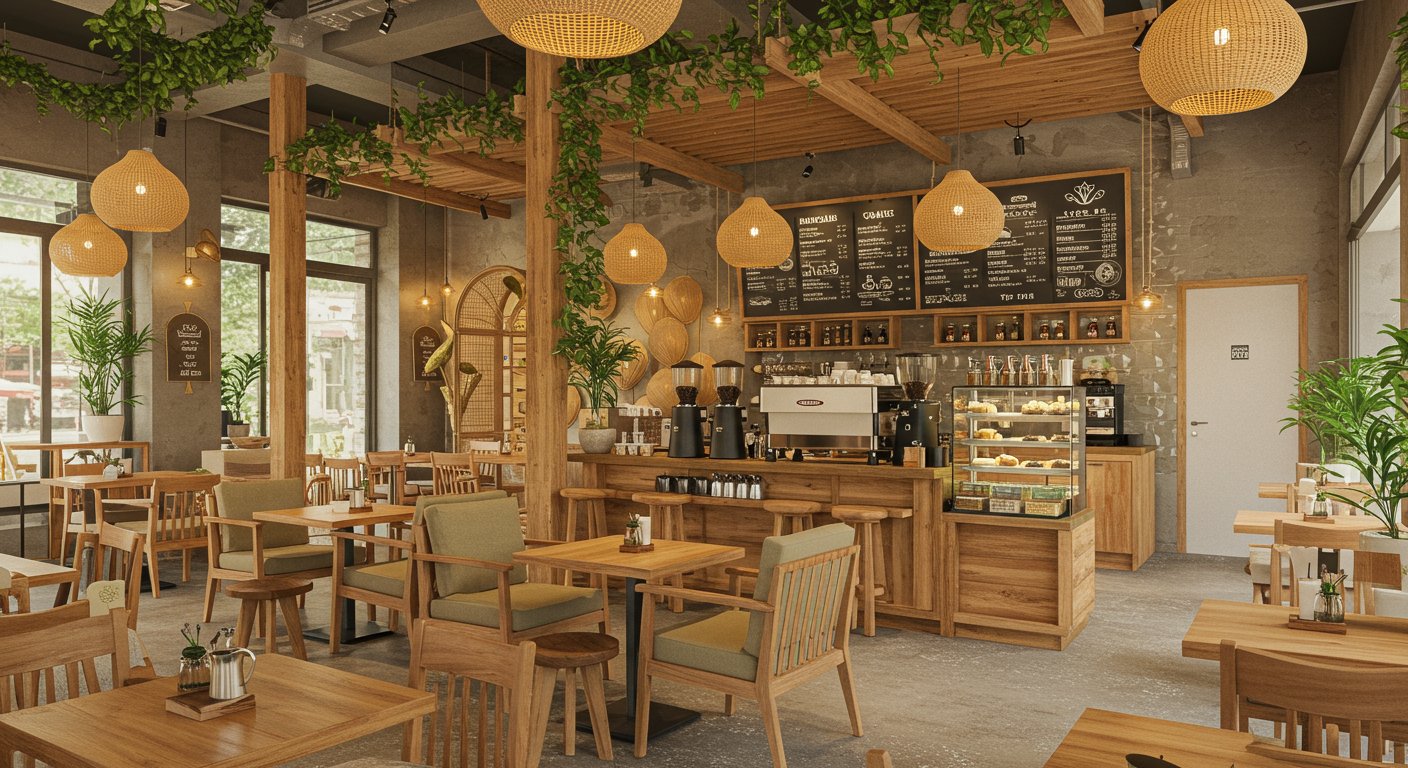
According to a survey by Vietdata, the number of coffee shops in Vietnamdoubled from 816 in 2019 to 1,657 in 2023[Vietdata 2023]. This rapid growth is the result of major chains such as Highlands Coffee, Trung Nguyen E-Coffee, and Phuc Long aggressively opening new stores.
In the domestic market, the spread of cafe culture has strengthened the presence of chains, and opportunities to visit them are increasing, especially in cities. Among young people and urban dwellers in particular, coffee shops are becoming established as everyday places to eat out and socialize.
Vietnamese Coffee's Distinctive Style
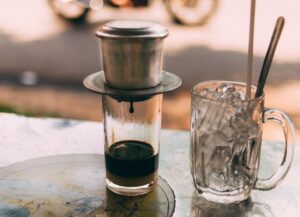
Part of Vietnamese coffee's appeal is its distinctive way of drinking. Extraction using the traditional phin (metal filter) is the secret to its rich flavor.
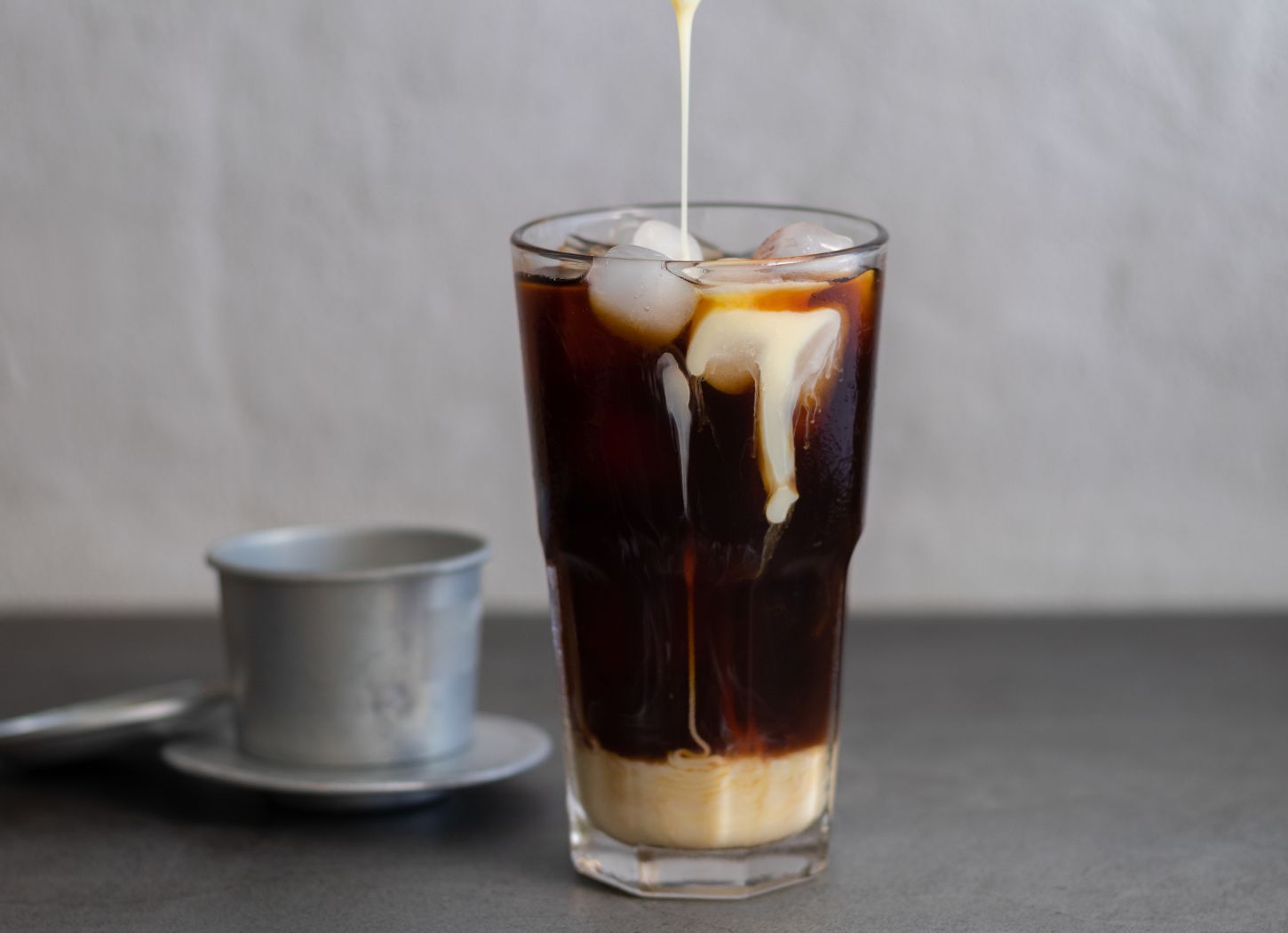
And the sweet, rich flavor of added condensed milk has captivated many. Yet now, in 2025, new changes are emerging in that style as well.
A Fusion of Traditional and Modern Coffee
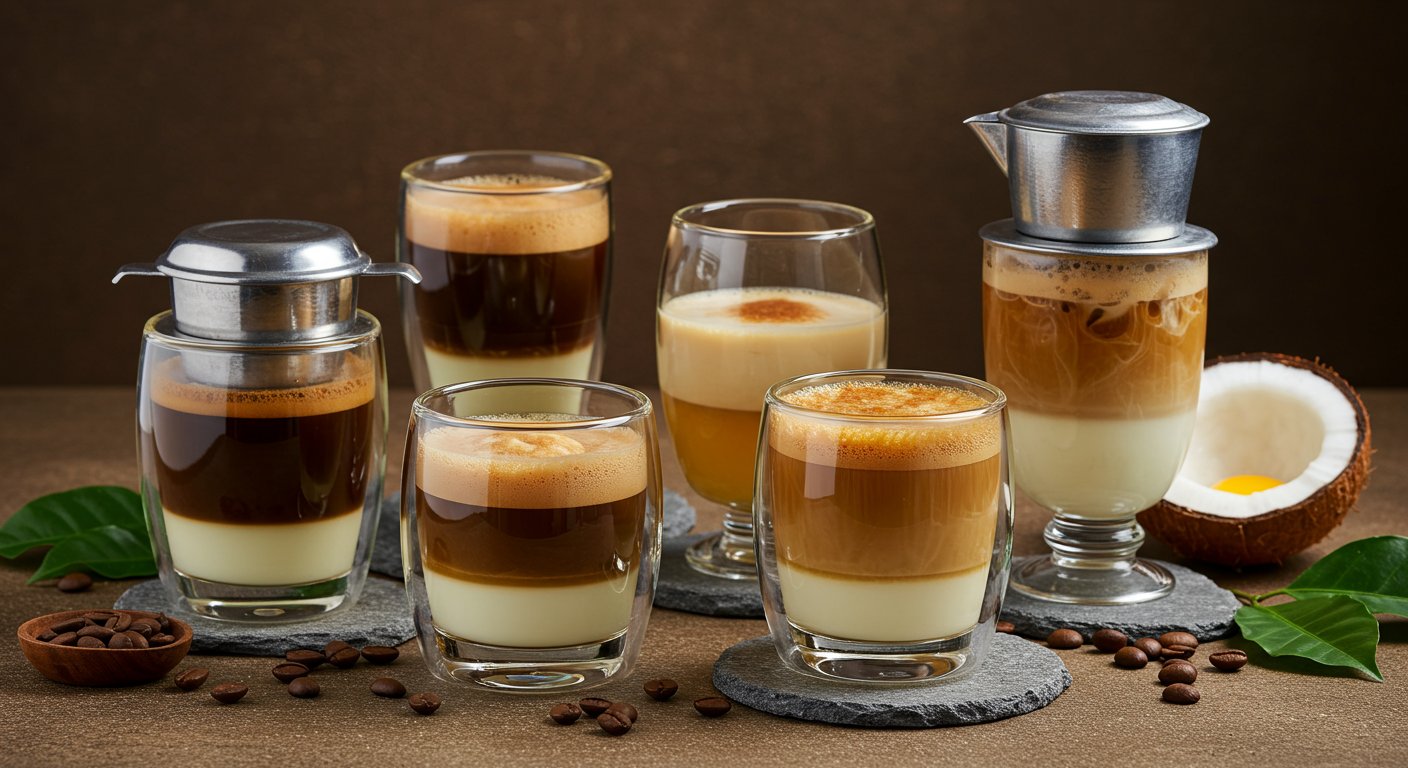
In the world of Vietnamese coffee, a clear trend is emerging in which traditional condensed-milk coffee and modern third-wave Arabica coffee run side by side.
Extraction with the traditional phin is still loved, but more shops are also introducing espresso machines. Vietnam's own variations, like egg coffee and coconut coffee, continue to evolve as well.
Efforts Toward Sustainability
One of the most important keywords for Vietnam's coffee industry in 2025 is "sustainability." Startups such as VCA are working on organic coffee production using carbon-sequestration farming. This matters not only for the environment but also as the execution of Environmental, Social, and Governance (ESG) initiatives, which are essential for breaking into the European market.
Such efforts are becoming the key to opening up the future of a Vietnamese coffee industry that faces challenges like climate change, declining soil quality, and disease.
Vietnamese Coffee in the Japanese Market
Vietnamese coffee is steadily gaining popularity in Japan as well. Condensed-milk coffee and egg coffee in particular are drawing attention as travelers who tasted them in Vietnam want to recreate the experience back home.
While travel from Vietnam to Japan is increasing, the number of Japanese travelers to Vietnam has also recovered since the pandemic, and more people who experienced local cafe culture buy Vietnamese coffee online or at specialty shops after returning home. The "3-in-1" instant type sold on Amazon, at KALDI, and elsewhere is especially popular as an easy way to enjoy the flavor they grew fond of while traveling.
Against this backdrop, demand for Vietnamese coffee in the Japanese market is expanding not just as a casual indulgence but as an extension of the travel experience.
Popular Products and Trends
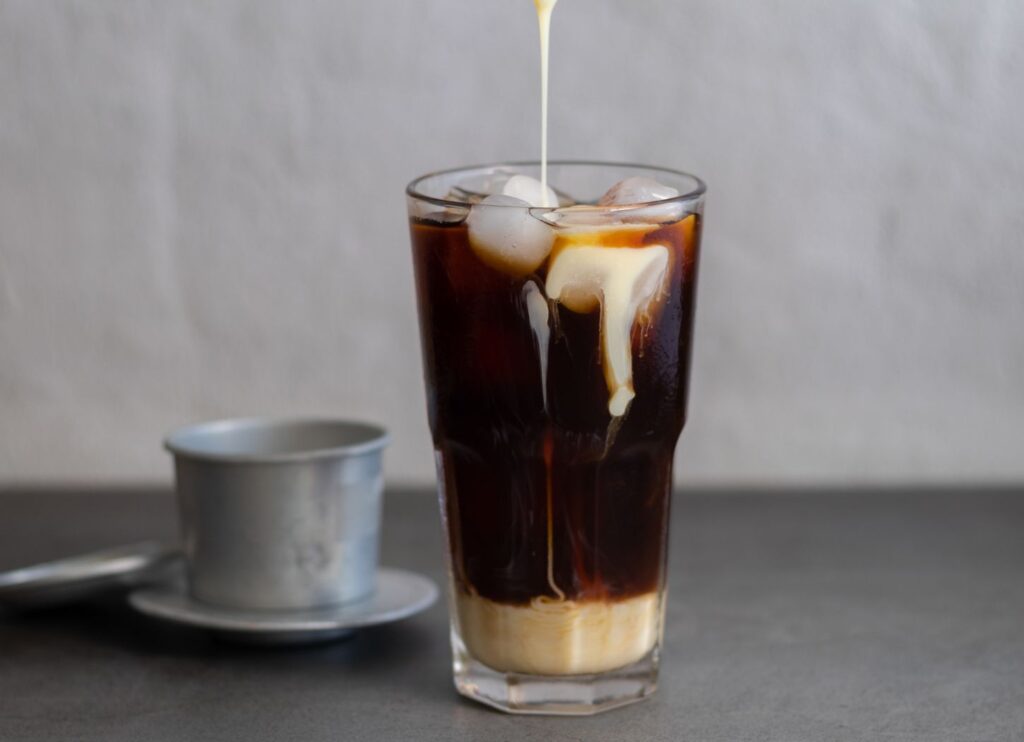
According to Amazon sales data, instant coffees such as Vinacafe, TNI King Coffee, and Trung Nguyen G7 are popular in the Japanese market. Demand is especially high for the 3-in-1 type, which combines coffee, sugar, and condensed-milk powder in one.
High-quality Vietnamese foods, such as YUGOC's raw, unheated honey and Marou's premium chocolate, are also drawing attention as gifts.
As for beans, high-quality coffee from Da Lat in central Vietnam earns high marks for aroma and body even in instant form. Rare beans such as civet coffee and kopi luwak are also popular as gifts.
How to Enjoy It in Japan
Ways to enjoy Vietnamese coffee in Japan are diversifying, too. While more people enjoy authentic brewing with the traditional phin, easy options like drip bags and instant types are also popular.
Specialty cafes serving Vietnamese-style coffee drinks are also increasing. Vietnam's own variations, like egg coffee and coconut coffee, can now be enjoyed in Japan as well.
Touching Vietnam's culture and people's lives through coffee: more and more people are seeking that kind of experience.
Summary: The Future of Vietnamese Coffee
In 2025, the Vietnamese coffee market is entering a new stage that blends tradition and innovation. While holding its place as the world's second-largest coffee exporter, it is shifting from mere quantity to quality. Expanding specialty coffee production, adopting sustainable farming, and the rapid growth of cafe chains, various changes are shaping the future of Vietnamese coffee.
In the Japanese market, too, its distinctive flavor and cultural background are winning recognition, steadily growing its fan base. Discovering Vietnam's charm through coffee, that way of enjoying it is sure to keep spreading.
Why not try authentic Vietnamese coffee for yourself? A new coffee experience, woven from rich flavor and distinctive culture, awaits you.
References
・USDA Foreign Agricultural Service「Vietnam Coffee Annual Report 2025」
・VietnamPlus, "Vietnam's coffee exports exceed 5 billion USD in 2023-2024 crop year" (published October 2024)
・Vietdata「Vietnam Coffee Shop Sector 2023」